
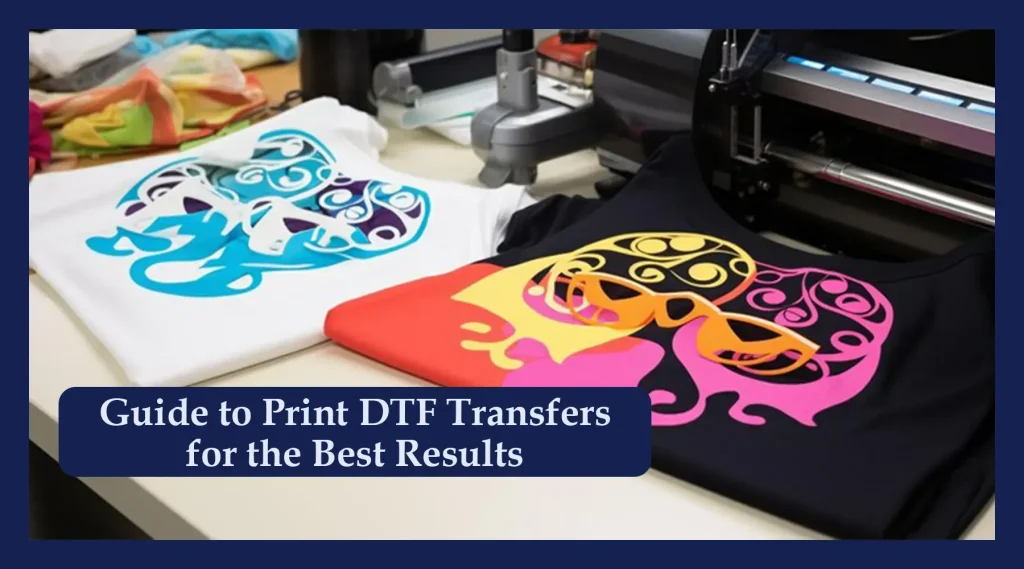
DTF printing has transformed the custom apparel world, delivering versatile transfers for T-shirts, hoodies, bags, and more. This approach blends digital design with a durable, vibrant finish that works across a wide range of fabrics. Understanding the process helps you plan for setup, costs, and on-demand production. When cured and pressed correctly, the results deliver crisp detail, broad color, and lasting wear. For growing brands, this method offers a practical, scalable path to high-quality on-demand apparel.
In other terms, this film-based transfer technique—often labeled direct-to-film transfers—uses pigment inks on a PET sheet. Some teams compare DTF to direct-to-garment printing (DTG), noting differences in adhesion, pretreatment needs, and fabric compatibility. From a workflow perspective, the DTF printing process sits between traditional screen printing and direct-to-garment approaches, offering versatility for on-demand orders. When it comes to durability, many users weigh results across blends and dark fabrics. For shops evaluating options, this approach supports heat pressing, film storage, and on-demand production with minimal setup.
DTF Printing Explained: Direct-to-Film Transfers for Modern Apparel
DTF printing is a direct-to-film process that prints artwork onto a specialized PET film using pigment inks designed for transfer. In the DTF printing process, the film carries a vibrant, high-resolution image that can be stored and used later, offering flexibility for on-demand orders. After printing, the film is coated with an adhesive powder, cured, and pressed onto fabrics such as cotton, polyester, and blends. The resulting transfer combines the color quality of traditional screen and DTG methods with the versatility of film-based prep.
This approach supports a broad color gamut, fine details, and solid color blocks, with durable results when properly cured. Direct-to-film transfers can be applied to a wide range of fabrics, including darker fabrics where other methods struggle, making it a practical choice for varied product lines. The DTF workflow can be integrated into small-batch production or scaled for larger runs, helping creators manage inventories and fulfill on-demand orders efficiently.
DTF Printing Process: From Design to Film, Powder, Cure, and Press
Design and artwork preparation begin the DTF printing process, with high-resolution files (300 DPI or higher) and color-separation guidance to maintain accuracy when the image transfers to the film. You then print onto the PET film using pigment inks tuned for DTF, ensuring a broad color gamut and crisp edges. The printed film is not the final garment; it must be coated with an adhesive powder and cured so the ink bonds to fabric during heat pressing.
After curing, the garment is pre-pressed to smooth wrinkles and moisture, then the film is aligned on the fabric and transferred with controlled heat and pressure. A post-press cure helps set the bond and reduce powder shedding, resulting in durable transfers that resist washing when done correctly. This process is central to achieving consistent results across colors and fabric types, and forms the core of many on-demand apparel operations.
DTF vs DTG: Key Differences for Quality, Durability, and Production
DTF vs DTG comparisons come up often when evaluating printing strategies. DTF uses a transfer film and an adhesive powder, enabling easier multi-color designs on a variety of fabrics, including blends and darker textiles. DTG prints directly onto fabric with water-based inks and frequently requires pretreatment, which can add time and cost. In terms of color reproduction, both can achieve vibrant images, but the workflow, setup, and garment compatibility differ.
Durability and wash performance vary with curing, fabric choice, and heat press parameters. DTF transfers tend to maintain fidelity on dark fabrics and blends, while DTG may excel on white or light-colored fabrics with precise color reproduction. For small runs or mixed fabrics, DTF often offers a more flexible and cost-effective path, particularly when production efficiency and storage of film designs are critical.
Heat Pressing DTF Transfers: Temperature, Time, and Technique for Consistent Results
Heat pressing DTF transfers requires precise temperature, time, and pressure to ensure proper adhesion without scorching. Typical guidelines range from 160–180°C (320–356°F) for 15–25 seconds, with adjustments based on fabric and ink. The peel method (warm or cold) can influence edge definition and color density, so testing on sample garments is essential.
Pre-press to remove moisture, align correctly, and use non-stick sheets to protect surfaces. The consistency of pressure and even contact across curved areas determines the transfer’s durability under washing. Following proper post-press curing steps can reduce powder shedding and improve long-term adhesion, making heat pressing a predictable step in achieving professional results with DTF transfers.
DTF Quality and Durability: Factors That Drive Longevity in Wash Cycles
DTF quality and durability are driven by material choices, curing, and careful handling during the transfer. Proper curing of the adhesive powder is crucial to prevent powder shedding and edge lifting, which can undermine wash performance. Selecting compatible film, inks, and powders, and following manufacturer guidelines, helps ensure strong bonds that hold up to repeated laundering.
Quality is also influenced by fabric compatibility, transfer thickness, and care instructions. For best results, provide customers with guidance to wash inside-out, avoid high heat, and dry on low heat or line-dry; this helps the transfer maintain color fidelity and adhesion across dozens to hundreds of washes. Regular post-press checks and consistent SOPs across batches further reinforce durability and customer satisfaction.
Scaling DTF for On-Demand Apparel: A Practical Workflow for Small Businesses
One of the key advantages of DTF printing is the ability to store designs on film and press on demand, reducing setup time for small runs. By separating design from garment production, you can manage varied orders more efficiently and minimize inventory risk. This flexibility is especially valuable for startups and small brands seeking rapid prototyping and faster time-to-market.
A practical DTF workflow includes maintaining a color library, standard operating procedures, and a disciplined curing and pressing routine. From a business perspective, the flexibility of direct-to-film transfers supports experimentation with new markets and fabrics, while keeping costs manageable as you scale. With careful planning and reliable equipment, you can build a scalable, on-demand apparel operation that delivers consistent, high-quality results.
Frequently Asked Questions
What is DTF printing and how do direct-to-film transfers work?
DTF printing, or direct-to-film printing, uses pigment inks to print onto a PET film, which is then dusted with adhesive powder, cured, and pressed onto fabric with heat and pressure. The adhesive bonds the ink to cotton, polyester, blends and more, producing vibrant, durable transfers. This process lets you print detailed images with a wide color gamut and handle darker fabrics more easily.
DTF printing process vs DTG: which is better for durability and fabric compatibility?
DTF printing process uses a transfer film and adhesive powder, allowing multi-color designs on many fabrics, including darks; DTG prints directly on fabric and may need pretreatment. In terms of durability, both can be strong when properly cured and pressed, but DTF transfers tend to be more forgiving on dark fabrics and blends, while DTG excels on white or light fabrics with precise color reproduction.
How does heat pressing DTF transfers influence adhesion and durability?
Heat pressing DTF transfers requires correct temperature, time, and pressure (typical range 160–180°C for 15–25 seconds). A warm or cold peel may be used depending on the film; proper pre-press and post-press cure help prevent edge lifting and ensure a full, durable set.
DTF quality and durability across fabrics: how well do direct-to-film transfers hold up on cotton, blends, and performance fabrics?
When properly cured and pressed, DTF quality and durability are strong on common fabrics including cotton, poly blends, and performance fabrics. Regular care—washing inside out, gentle cycles, and avoiding high heat—helps longevity, and many users report reliable performance for dozens to hundreds of washes.
What are common challenges with DTF transfers and how can I troubleshoot issues in the DTF printing process?
Common issues include powder shedding, cracking, or color bleed. Troubleshoot by ensuring thorough curing, even adhesive powder coverage, correct peel method, testing on similar fabrics, verifying alignment, and calibrating color profiles to reduce drift and edge problems.
What equipment and materials are essential for a reliable DTF printing workflow and how do they impact efficiency in the DTF printing process?
Key gear includes a printer with pigment inks designed for DTF film, high-quality DTF film, adhesive powder, curing equipment (conveyor dryer or heat tunnel), a heat press, plus transfer accessories and compatible fabrics. Investing in reliable gear supports on-demand production, reduces setup time, and improves consistency across batches.
| Key Point},{ | |
|---|---|
| What is DTF printing? | DTF printing (direct-to-film) uses pigment inks on PET film, adhesive powder, curing, and heat pressing to create durable transfers for cotton, polyester, blends, and more. |
| DTF vs. other approaches | DTF uses a transfer film and powder, enabling multi-color designs on diverse fabrics and offering a flexible production workflow, with differences from DTG in pretreatment and wear characteristics. |
| DTF process overview | Design, print on film, apply adhesive powder, cure, prepare the garment, transfer with heat and pressure, then post-press to set. |
| Materials and equipment | Printer with pigment inks, DTF film, adhesive powder, curing equipment, heat press, transfer accessories, and compatible fabrics. |
| Variables for DTF workflow | Temperature/time (approx. 160–180°C for 15–25s), pressure, peel method, and curing duration influence transfer quality. |
| Best practices for high-quality results | Color management, test on samples, proper pre-press, even powder distribution, and clear care labeling. |
| Common challenges and troubleshooting | Powder shedding, cracking or fading, color bleeding on dark fabrics, and alignment on curved areas. |
| Quality and durability considerations | Vibrant, detailed transfers with good hand feel; durability across dozens to hundreds of washes with proper curing and care. |
| Cost, efficiency, and business implications | On-demand production, design storage, reduced setup for small runs, and scalable workflow with films, powders, and inks. |
| Advanced tips for optimizing workflow | Maintain a color library, keep equipment clean, follow SOPs, and perform QC checks to ensure consistency. |
Summary
DTF printing offers a practical and powerful path for producing high-quality direct-to-film transfers across a broad range of fabrics. By combining a flexible workflow with durable results, it enables on-demand production, small runs, and designs that can be reliably reproduced on cotton, synthetics, blends, and more. With proper design, materials, curing, and care instructions, DTF transfers deliver vibrant images and a soft hand feel that withstands regular washing. For hobbyists, small businesses, or growing brands, embracing DTF printing can unlock creative possibilities while maintaining cost efficiency and scalable production.