
DTF Printing for Beginners is a practical, approachable doorway into the world of customizable apparel, designed for makers who want results without the overhead of a full-scale screen-printing shop. With a steady workflow and the right DTF transfer paper, you can translate digital designs into durable fabric transfers that stand up to wear and washing. This guide walks you through choosing the essential gear, lining up a simple workspace, and following clear steps so you can learn the technique at your own pace. Starting with a modest setup allows you to test ideas on a few items, refine color alignment, and build confidence before expanding to larger projects. Throughout, you’ll gain insight into how this approach compares to other methods, helping you pick the path that best fits your goals and budget.
In alternative terms, this beginner’s guide introduces digital transfer printing as a flexible way to decorate apparel, using heat-activated films that bond to fabrics. Think of it as a home-friendly system for converting art into wearable decals, often requiring a small printer, transfer sheets, and a press. The approach sits alongside traditional screen printing and other DIY garment decoration methods, offering a fast turnaround for small runs and personal projects. By exploring related concepts such as transfer sheets, heat-press workflow, and color management, readers can build a broader understanding of modern textile decoration.
DTF Printing for Beginners: A Clear Path to Custom Apparel
If you’re new to creating customized clothing, DTF Printing for Beginners offers a practical entry point to making one-off designs on T-shirts, tote bags, and more from home. This approachable setup lets hobbyists explore full-color transfers without needing a large screen-printing apparatus.
This guide breaks the process into simple steps, lists the essential gear, and shares practical tips to help you achieve professional-looking transfers. You’ll learn about DTF transfer paper, print settings, and finishing touches that make your t-shirt transfers durable and ready for everyday wear.
Choosing Your DTF Transfer Paper: What Works Best for DIY T-Shirt Transfers
The quality of DTF transfer paper directly affects color accuracy, opacity on dark fabrics, and the sharpness of your final image. For DIY projects, selecting the right paper helps ensure clean edges and vibrant results on various t-shirt transfers.
Look for papers designed for DTF printing at home, and check compatibility with your printer and inks. Consider factors like gloss, weight, and how the adhesive powder interacts with your chosen fabrics to optimize performance across different colors and textures.
Setting Up Your DIY Heat Press at Home: Tools, Temperature, and Tips
A reliable DIY heat press, a protective cover sheet, and a sturdy work surface are essential for consistent results. Investing in quality tools helps you apply even heat and pressure required for successful DTF transfers.
Follow manufacturer guidance for temperature and time. Typical ranges for many DTF projects sit around 160–170°C for 60–90 seconds, with steady, even pressure. Proper setup and calibration reduce the risk of scorching and uneven curing.
DTF Printing at Home: Step-by-Step Process for Vibrant Transfers
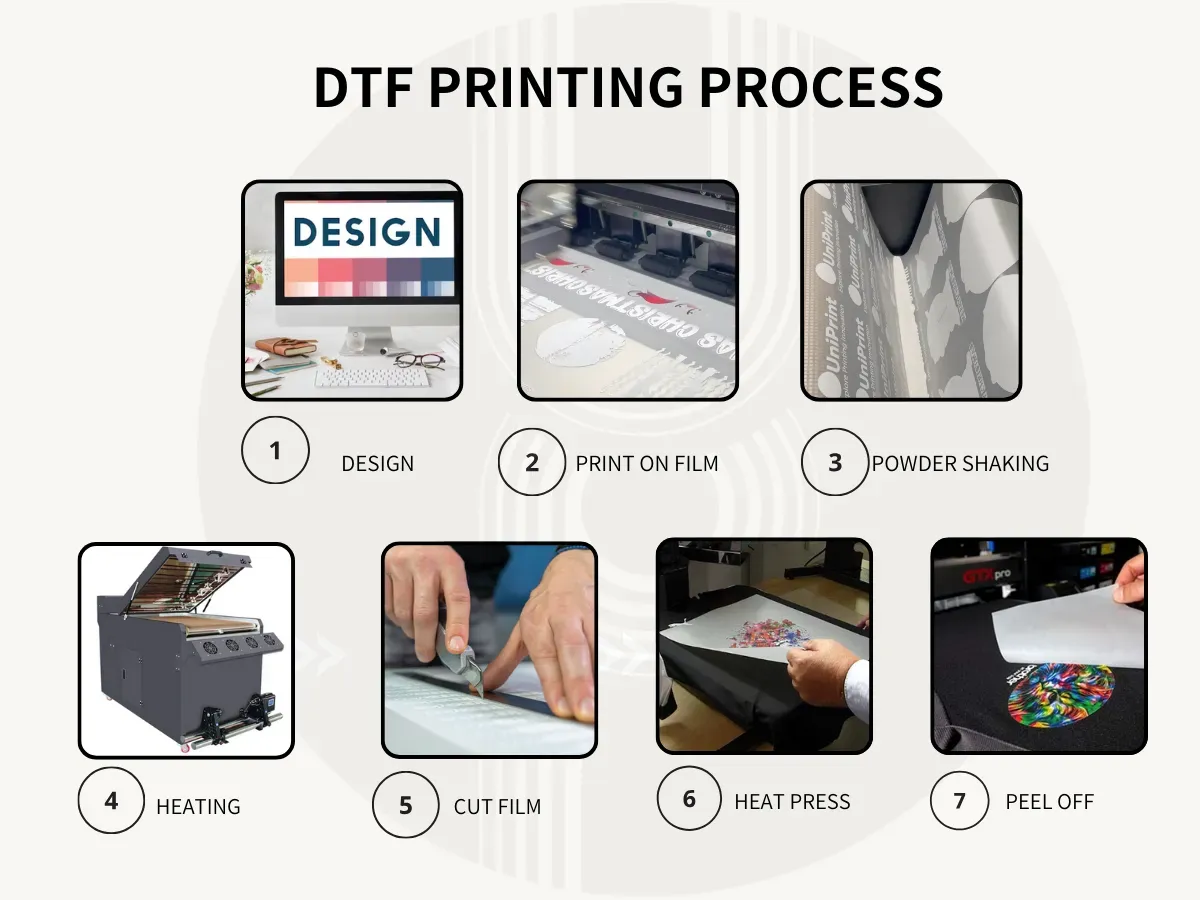
Design your artwork in a vector or high-resolution raster format, then print onto the DTF transfer film using compatible inks. The printed film is prepared with adhesive powder to lock in colors and improve adhesion when heat pressed.
Prepare the garment, position the transfer accurately, and apply heat and pressure as directed. Peel the carrier depending on hot- or cold-peel guidelines, and allow a brief post-press cure to ensure durability for everyday wear of your t-shirt transfers.
DTF vs Screen Printing: When to Choose Each Method for Small Runs
DTF shines for short runs and full-color designs without the time and expense of creating screens. For hobbyists and small businesses, it offers a straightforward workflow from design to finished product.
Screen printing can be more cost-effective for larger quantities and when long-term durability on tough fabrics is paramount. Weigh setup time, equipment costs, and run length to decide whether DTF printing at home or traditional screen printing best fits your project.
Finishing, Curing, and Caring for Your DTF Projects
After pressing, allow the transfer to cure as recommended to maximize durability. Following proper cooling and handling steps helps preserve color vibrancy on your t-shirt transfers.
Wash and care guidelines matter: use mild detergents, avoid harsh cycles, and air or low-heat dry when possible. With correct care, your DTF designs retain their appearance, enabling you to enjoy DIY T-shirt transfers at home for longer.
Frequently Asked Questions
What is DTF Printing for Beginners and how can I start DTF printing at home?
DTF Printing for Beginners is an accessible entry point into customizing apparel like t‑shirts and tote bags. The basic workflow involves designing, printing the image on DTF transfer paper with a compatible printer, applying adhesive powder, curing it, and transferring the design to fabric with a heat press. This approach is popular with hobbyists and small businesses because you can produce one‑off prints from home without a large screen‑printing setup.
What is the role of DTF transfer paper in DTF Printing for Beginners, and how do I choose the right transfer paper?
DTF transfer paper carries your printed design and the adhesive powder helps it bond to fabric during pressing. When choosing paper, look for true DTF paper compatible with your inks, good transfer whiteness and finish, appropriate thickness, and compatibility with the fabrics you plan to use. Also consider your printer and whether you’ll need a paper with a white backing for lighter or darker garments.
What equipment do I need for DTF printing at home, and how does a DIY heat press fit into the setup?
For at‑home DTF printing, you’ll need a DTF‑capable printer, DTF transfer paper, adhesive powder, and a method to cure the powder. A DIY heat press serves as the key tool to apply the transfer to garments; choose one with adjustable temperature and timer, a flat platen, and protective sheets (like silicone mats or Teflon) to protect the print.
How do I apply DTF transfers to t-shirts using home methods, and how does DTF printing at home compare to DTF vs screen printing?
To apply a DTF transfer: pre‑press the garment briefly, place the transfer face down, press at the recommended temperature and time, then peel according to the paper instructions. Compared to screen printing, DTF printing at home usually requires less initial setup and is cost‑effective for small runs and full‑color designs, though screen printing can be more economical for large batches and may have different durability depending on inks and fabrics.
What common mistakes do beginners make with DTF printing at home and how can I avoid them?
Common mistakes include not curing the adhesive powder properly, using incorrect temperatures or pressing times, skipping a pre‑press step, and using low‑quality transfer paper. Avoid these by following the transfer paper manufacturer’s settings, running test prints on scrap fabric, pre‑pressing garments before transferring, and using quality materials and a clean, flat pressing surface.
Can I achieve professional-looking results with DTF Printing for Beginners, and what factors influence transfer quality?
Yes, with practice and quality materials you can achieve professional‑looking results. Key factors include design resolution and color management, the quality of DTF transfer paper and inks, correct heat press settings (temperature, time, and pressure), proper curing of the adhesive, and good equipment maintenance. DTF transfers offer strong color fidelity and flexibility for hobbyists and small businesses, especially when compared to traditional methods like screen printing for small runs.
| Aspect | Description |
|---|---|
| What it is | A practical and accessible entry point into customizable apparel printing. |
| One-off designs | Enables creating unique designs for T-shirts, tote bags, or other apparel without relying on large screen-printing setups. |
| Starting point | Provides a reliable starting line for beginners. |
| Guide format | Step-by-step breakdown of the process. |
| Essential gear | Explains the essential gear needed for DTF transfers. |
| At-home transfers | Offers tips to achieve professional-looking transfers from the comfort of your home. |
| Popularity | DTF transfers are gaining popularity for hobbyists and small businesses. |
| Outcome | Provides a clear, actionable path to mastering DIY T-shirt transfers at home. |
Summary
DTF Printing for Beginners table summarizes the core ideas: DTF Printing for Beginners is a practical entry point for creating customized apparel without large studio setups, highlighting step-by-step guidance, essential gear, and at-home transfer tips. This structured overview helps hobbyists and new entrepreneurs understand how they can design one-off items, plan their workflow, and achieve professional results from a home setup.