
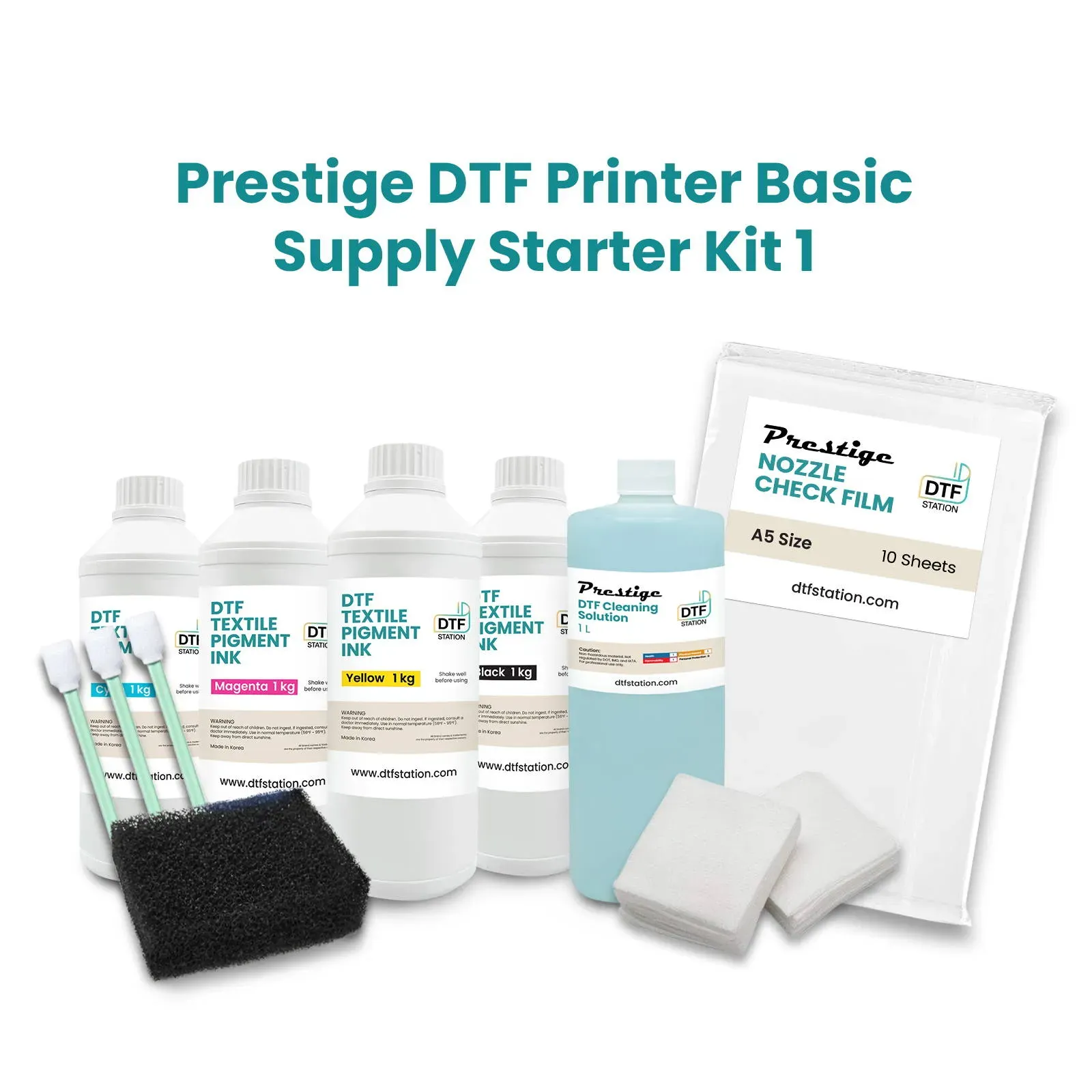
DTF supplies are an essential component of the thriving Direct-to-Film (DTF) printing industry, which has taken the printing world by storm in recent years. This innovative technology allows for vibrant, high-quality prints that adhere beautifully to a variety of substrates, from textiles to leather. At the heart of this process are critical items such as the DTF printer, transfer film, DTF inks, and adhesive powder, each playing a pivotal role in achieving print perfection. Understanding each component's function and quality will significantly enhance your printing outcomes, making it a topic worth exploring. In this guide, we will delve into everything you need to know about DTF supplies, empowering you to create stunning prints with ease.
Direct-to-Film printing, often abbreviated as DTF, represents a groundbreaking method in the world of digital printing. By utilizing innovative transfer technology, this method enables high-resolution images to be printed onto numerous surfaces, including fabric and other materials. Key resources like DTF printing equipment, specialized film, and pigments specifically formulated for transfer processes are vital for achieving exceptional results. Additionally, using the right binding agents is crucial for ensuring that prints adhere and endure over time. This comprehensive overview aims to familiarize you with the essential elements of DTF supplies, enhancing your understanding of this modern printing technique.
Understanding DTF Printing Technology
DTF, or Direct-to-Film printing, employs a specialized method that uses a unique film to transfer high-quality images onto various substrates. Unlike traditional digital printing techniques, DTF printing relies on a high-density ink mix, optimized specifically for this method. The result is prints that boast exceptional color vibrancy and precise detailing that can endure everyday wear and tear. DTF technology is particularly appealing to those looking to create custom designs on garments, making it a top choice within the fashion and promotional products industries.
As DTF printers have evolved, so have the capabilities they offer. Modern DTF printers are designed to handle a variety of materials, from cotton to poly blends, ensuring compatibility across a multitude of projects. Moreover, advancements in technology have led to higher resolutions and faster print speeds, making DTF a more efficient option for print shops gearing up for bulk orders. This innovation not only attracts seasoned professionals but has also made DTF accessible to hobbyists eager to explore creative avenues.
Key Supplies for Perfect DTF Results
Achieving flawless results in DTF printing hinges on the quality of the supplies used. Essential components such as DTF printers, transfer films, DTF inks, and adhesive powders come together to form the backbone of successful printing. Selecting a reliable DTF printer is crucial, as it influences the color output and precision of the final design. Not all printers can accurately dispense the specific inks required for DTF, making it imperative to invest in one designed for this purpose.
Transfer films also play a significant role in determining the overall quality of prints. High-grade PET films are recommended as they seamlessly interact with DTF inks, ensuring that colors remain vibrant and sharp. Additionally, the use of top-tier adhesive powders can enhance the sticking power of your prints, offering durability through washes and abrasion. These key supplies collectively ensure that print service providers can consistently achieve high-quality results with their DTF projects.
Choosing the right DTF inks is equally important, as they need to be water-based and designed to hold a dense pigment load. This ensures that every print not only looks vibrant straight out of the printer but remains true to color even after multiple washes. By investing in superior DTF supplies, print shops can ensure their end products not only meet but exceed customer expectations.
The Market Potential of DTF Printing Supplies
The DTF printing market is currently experiencing significant growth as businesses pivot towards more efficient and cost-effective printing methods. The rise of online retail and a growing demand for custom apparel have created lucrative opportunities for print service providers. DTF's flexible application, which allows for printing on various materials, positions it as an ideal solution compared to traditional methods, which can often be limited in scope.
Furthermore, the affordability of DTF supplies has made this technology increasingly accessible to small and medium-sized businesses looking to diversify their product offerings without a massive upfront investment. By utilizing versatile DTF supplies, these businesses can cater to a broader audience, fulfilling niche demands effectively. As a result, many entrepreneurs are finding a lucrative avenue in DTF printing, driving the market toward further expansion.
Best Practices for DTF Print Quality
To achieve the highest quality prints with DTF technology, implementing best practices is essential. One of the most impactful methods is conducting test prints, which allow print operators to fine-tune settings such as color calibration and determining how ink adheres to different substrates. Testing prints can save considerable resources and time in the long run by preventing wasted materials on flawed prints.
Additionally, understanding the importance of proper curing times and temperatures cannot be overstated. Inadequate curing can lead to issues such as peeling, fading, or crumpling of the print, which can drastically undermine the quality and longevity of the final product. Thus, adhering to the recommended guidelines for curing adhesive powders and transfer films is crucial for maintaining the integrity and appearance of every piece produced.
Comparative Analysis: DTF vs. Other Printing Methods
When evaluating modern printing techniques, DTF stands out when compared to traditional methods such as screen printing and DTG printing. DTF printing offers several advantages, including the ability to work on a variety of fabric types and producing detailed prints that other methods struggle to replicate. This flexibility makes DTF an attractive option for businesses looking to reduce production constraints that often come with specialized printing methods.
Moreover, DTF printing allows for smaller runs, making it ideal for custom orders without the large overhead typical of screen printing setups. As the market for unique and personalized products continues to grow, the adaptability of DTF printing positions it as a frontrunner in the industry. With proper understanding and application of DTF supplies, businesses can easily tap into this trend and enhance their service offerings.
Emerging Trends in DTF Printing Technology
As DTF technology continues to evolve, printed materials and user experiences are becoming more sophisticated. Recent advancements focus on improving the compatibility of DTF inks with a range of fabrics and enhancing the performance of adhesive powders. This innovation is geared towards achieving even stronger bonds and brighter colors that remain intact across multiple washes, a critical factor for customer satisfaction.
Additionally, sustainable practices are influencing which DTF supplies manufacturers choose to produce. There's a growing demand for eco-friendly inks and materials that minimize environmental impact, prompting suppliers to adapt their offerings accordingly. Staying abreast of these emerging trends allows businesses to appeal to an environmentally-conscious consumer base while ensuring they remain competitive in the rapidly changing market.
Frequently Asked Questions
What are DTF supplies and why are they important for printing?
DTF supplies include essential materials for Direct-to-Film printing, such as DTF printers, transfer films, DTF inks, and adhesive powders. These components are crucial because they directly impact the print's vibrancy, durability, and adherence to various substrates, ensuring high-quality results.
How does the quality of transfer film impact DTF printing results?
The quality of transfer film is vital in DTF printing as it affects the sharpness and vibrancy of printed images. High-grade PET films are recommended since they work effectively with DTF inks, enabling better color reproduction and a more durable transfer.
What role do DTF inks play in achieving print perfection?
DTF inks are specially formulated, water-based inks that contain a high density of pigments. Their primary role is to ensure vibrant colors and excellent color accuracy in prints, even after multiple washes, making them essential for quality DTF printing.
Why is adhesive powder necessary in the DTF printing process?
Adhesive powder is crucial in the DTF printing process as it ensures strong adhesion of the transfer film to the substrate. Sprinkling adhesive powder on the printed film before curing enhances the durability of the print, preventing issues such as peeling or fading over time.
What should I consider when selecting a DTF printer?
When selecting a DTF printer, consider factors such as color fidelity, printing speed, and compatibility with DTF inks and transfer films. A printer specifically designed for DTF processes will deliver superior results compared to regular inkjet or laser printers.
How can I enhance my DTF printing results?
To enhance DTF printing results, conduct test prints for color calibration, maintain correct curing times and temperatures, and invest in high-quality DTF supplies. These practices ensure that the prints achieve the desired durability and vibrancy.
| Key Components of DTF Supplies | Description | Importance |
|---|---|---|
| DTF Printer | Specifically designed printers for DTF printing that ensure color fidelity and precision. | |
| Transfer Film | High-quality PET film that allows for vibrant and sharp color transfers. | |
| DTF Inks | Water-based inks that offer high pigment density for lasting brightness. | |
| Adhesive Powder | Powder applied to the film to ensure strong adhesion to various substrates. | |
| Curing Equipment | Heat press or oven to bond the transfer film to the substrate effectively. |
Summary
DTF supplies are essential for achieving exceptional results in the vibrant world of Direct-to-Film printing. This innovative approach has transformed printing possibilities with its ability to create high-resolution images and vibrant colors on a variety of substrates. Using quality DTF supplies such as specialized printers, high-grade transfer films, water-based inks with high pigment density, adhesive powders, and effective curing equipment ensures each print is durable and sharp. The current advancements in DTF technology and growing market trends showcase the increasing accessibility and applicability of this printing style for both small businesses and hobbyists. Embracing quality and technique in DTF printing will yield outstanding results, making it a go-to choice in the modern printing landscape.