
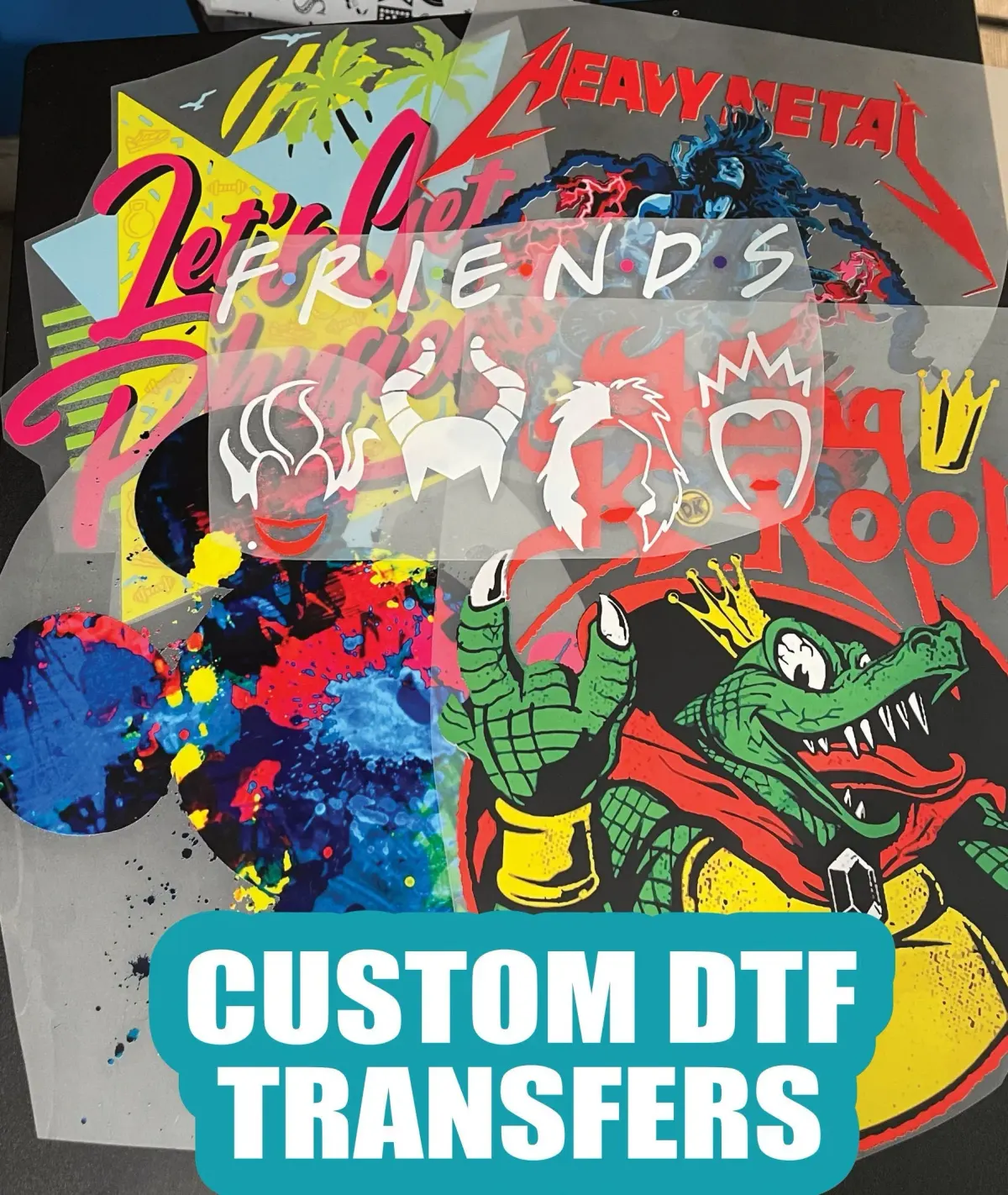
In the rapidly changing landscape of custom apparel printing, **DTF transfers** (Direct to Film transfers) have emerged as a game-changer, providing unparalleled flexibility and exceptional print quality. This innovative printing technique has captured the attention of businesses looking to meet increasing consumer demands for vibrant and detailed designs. DTF printing stands out for its ability to produce high-quality graphics on a variety of fabrics, making it ideal for a diverse range of custom apparel. As companies strive to elevate their branding through unique garments, understanding the advantages and applications of DTF transfers becomes vital. In this guide, we will explore everything you need to know about DTF transfers, including their technical advantages, operational processes, and future trends in the industry.
Direct to Film transfers, commonly referred to as DTF printing, represent a modernization in the world of custom garment decoration. This technique involves printing designs onto a specialized film, which can then be transferred onto various textile surfaces using heat and pressure. Inside this fast-evolving industry, DTF has gained popularity for its efficiency and ability to create intricate, high-resolution designs that maintain their quality over time. Furthermore, whether you’re a business owner seeking cost-effective solutions or a creative enthusiast looking to delve into custom apparel, understanding Direct to Film transfers can open new avenues for artistic expression and commercial success. This guide aims to encapsulate essential insights into DTF technology for all interested parties.
Understanding the Science Behind DTF Printing
DTF printing, or Direct to Film printing, is a complex yet straightforward process that effectively merges high-quality artwork with advanced technology. At its essence, DTF is about transferring vibrant colors and intricate designs to fabric using heat and pressure. The technology allows for the use of a special film coated with a unique adhesive, ensuring that designs are not just an afterthought but a seamless integration into the material. This technical process involves careful aligning of the film onto various fabric types, whether cotton or polyester, ensuring that the final print is both detailed and durable.
Understanding the science behind DTF is crucial for businesses wanting to harness its benefits. The digital printing aspect allows for on-demand production of detailed artworks, eliminating the need for bulky screens or complex setups. The shift from traditional methods to DTF transfers represents a significant leap in printing technology, giving custom apparel businesses the flexibility to experiment with designs and fabrics while maintaining high print quality. Such advancements highlight why DTF has become synonymous with modern print solutions.
The Advantages of Using DTF Transfers for Custom Apparel
One of the foremost reasons businesses are increasingly adopting DTF transfers is due to the exceptional print quality it offers. Unlike other printing methods, DTF printing provides a remarkable color vibrancy and fine detailing that cater to consumer expectations for high-quality apparel. Designs maintain their integrity even after multiple washes, ensuring lasting impressions on customers. Furthermore, the DTF process allows for printing on various fabric types and colors, expanding the possibilities for custom apparel design beyond traditional limitations.
Additionally, DTF transfers are recognized for their cost-effectiveness, especially for small to medium batch orders. The reduction in setup costs and the ability to print on demand means lower overheads and increased profits for businesses. Utilizing DTF transfers allows entrepreneurs to offer a broader range of products without incurring significant financial risks, empowering them to meet diverse consumer demands and trends in the custom apparel market.
How Sam's DTF Transfers Innovates in the Market
Sam's DTF Transfers has carved a niche within the competitive landscape of custom apparel printing by focusing on premium quality and customer service. Established as a leader in the DTF transfer sector, Sam's combines expertise in printing technology with a keen understanding of market needs. Their commitment to providing high-quality DTF prints, characterized by vibrant colors and intricate designs, resonates well with businesses seeking reliable printing solutions.
Innovation at Sam's DTF Transfers doesn’t just stop at quality; it extends to customer engagement and education. By offering resources such as tutorials, design consultations, and equipment advice, they facilitate a streamlined introduction to the world of DTF printing for newcomers. This holistic approach is what sets them apart, positioning them not just as a service provider but as a partner in helping businesses succeed with DTF technology.
The Essential Equipment for DTF Printing
To successfully implement DTF transfers, selecting the right equipment is crucial. This includes high-quality DTF printers and reliable heat presses designed specifically for the printing process. DTF printers typically utilize unique inks formulated to adhere well to the film and provide vibrant, long-lasting colors. Additionally, investing in a commercial-grade heat press ensures that sufficient heat and pressure are applied consistently over the transfers, which is essential for optimal results.
Understanding the equipment landscape is also about knowing what each component contributes to the DTF process. For example, choosing the right adhesive powder can significantly impact the bonding between the ink and fabric, ultimately influencing the durability of the print. Researching and comparing various equipment options tailored for DTF printing can provide businesses with a solid foundation to start producing high-quality apparel, reducing operational struggles and enhancing print efficiency.
Cost-Effectiveness of DTF Transfers Over Other Methods
When considering methods of custom apparel printing, the cost-effectiveness of DTF transfers becomes apparent, especially compared to traditional techniques like screen printing or direct-to-garment (DTG) printing. DTF transfers require minimal setup and fewer resources, leading to cost savings that can be passed on to customers. For businesses dealing with seasonal products or limited runs, the ability to print on demand and avoid excess inventory significantly decreases financial risks and improves cash flow.
Furthermore, the scalability of DTF transfers makes it an ideal option for businesses anticipating growth. With the ability to produce both small and large batches at a reduced cost per item, companies are not only saving money but also enhancing their operational productivity. This economic advantage becomes a crucial part of business strategy as the demand for custom apparel continues to rise, allowing brands to remain competitive without compromising on quality.
Future Innovations in DTF Printing Technology
As the landscape of custom apparel printing evolves, DTF technology continues to advance, promising exciting developments in quality and efficiency. Ongoing research and improvements in ink formulations, for instance, are leading to more vibrant colors and enhanced durability in prints. Additionally, advancements in printer capabilities are making the DTF process faster and more user-friendly, which is crucial for businesses looking to keep pace with consumer demands and market trends.
Moreover, the increasing focus on sustainability is likely to shape the future of DTF transfers as well. The adoption of eco-friendly inks and practices in the manufacturing process is becoming a priority for both businesses and consumers. As public awareness of sustainability grows, incorporating green practices into DTF printing could not only enhance brand reputation but also attract a more environmentally conscious customer base, further expanding the market for DTF transfers.
Frequently Asked Questions
What are the benefits of using DTF transfers in custom apparel printing?
DTF transfers, or Direct to Film transfers, offer numerous benefits in custom apparel printing. They provide vibrant color reproduction and intricate detail, ensuring high-quality prints on various fabric types. DTF technology is also cost-effective, making it ideal for small to medium-sized businesses. Additionally, DTF prints boast excellent durability and washability, allowing for long-lasting designs that meet consumer expectations.
How does the DTF printing process work?
The DTF printing process begins by printing designs onto a special film using DTF inks. After applying a powdered adhesive and curing it with heat, the film is ready for transfer. Using a heat press, the film is applied to the garment, where heat activates the adhesive. Once the film is peeled away, a durable and vibrant print remains on the fabric, showcasing the efficiency of DTF transfers over traditional methods.
What types of fabrics can DTF transfers be used on?
DTF transfers are versatile and can be applied to various types of fabrics, including cotton, polyester, and blends. This ability to work on both light and dark garments makes DTF printing a flexible solution for custom apparel needs. Whether creating vibrant designs for t-shirts, hoodies, or other clothing, DTF transfers adapt easily to different fabric textures and colors.
Why has the popularity of DTF transfers increased in recent years?
The popularity of DTF transfers has surged due to their high print quality, versatility across fabric types, and cost-effectiveness compared to other printing methods like DTG or screen printing. Additionally, companies like Sam's DTF Transfers have contributed to raised awareness and demand for this innovative technology. As businesses seek reliable solutions for custom apparel printing, DTF transfers have become a favored choice.
How do DTF transfers compare to other printing methods like DTG and screen printing?
DTF transfers differ from DTG and screen printing in terms of versatility and setup costs. DTF allows for vibrant, detailed prints on a variety of fabrics without the need for extensive preparation. While DTG printing is best suited for lighter fabrics and requires specialized equipment, and screen printing can be time-consuming for multiple colors, DTF transfers simplify the process, making them more accessible and cost-effective for businesses.
What should I consider when choosing DTF inks for my printing projects?
When selecting DTF inks for your projects, consider factors such as color vibrancy, compatibility with your printer and film, and durability after printing. Additionally, research the characteristics of different ink options to ensure they meet your specific needs for washability and softness on fabric. This knowledge will help you achieve the best possible results with your DTF transfers.
| Key Points | Description |
|---|---|
| What are DTF Transfers? | A process where designs are printed on film and transferred onto fabric using heat and pressure, offering vibrant colors and intricate designs. |
| How Do DTF Transfers Work? | Involves printing on a special film, applying adhesive, curing with heat, and finally transferring to garment with a heat press. |
| Rising Popularity | High-quality prints, versatility across fabrics, and cost-effectiveness compared to other methods are key factors driving popularity. |
| Key Industry Players | Notable companies like Sam's DTF Transfers highlight the growing demand for DTF technology. |
| Technical Advantages | Features include color vibrancy, durability, ease of use, and flexibility in design across various materials. |
| Future Trends | Growth among small businesses, technological advancements, and a shift towards sustainability practices in DTF production. |
| Resources for Getting Started | Equipment guides, ink options, and online tutorials can help beginners in the DTF transfer process. |
Summary
DTF transfers have revolutionized the custom apparel printing industry, providing unparalleled quality and versatility in fabric printing. This innovative technique not only allows for vibrant and detailed designs but also addresses the cost-effectiveness and practicality that many businesses require today. As small businesses increasingly adopt DTF technology, the future looks bright, promising further advancements and sustainable practices within the printing landscape. Entrepreneurs and established businesses alike should consider embracing DTF transfers to enhance their offerings and meet the ever-evolving demands of consumers.