
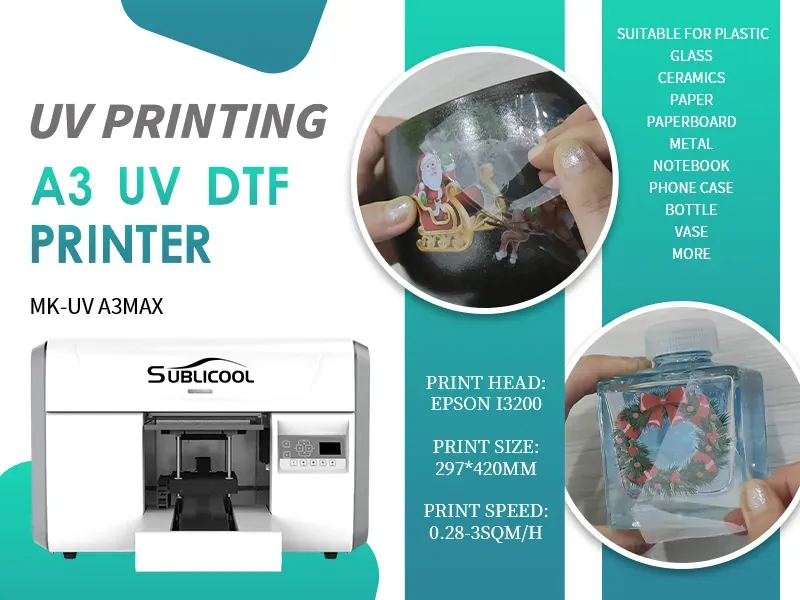
UV DTF printing issues can significantly impact the quality and efficiency of your printing projects. As a relatively new technology in the printing industry, UV Direct to Film printing promises vivid colors and durable outputs; however, users often face challenges that can hinder their success. Common problems include adhesion failures in printing, print quality troubleshooting, and concerns with color accuracy in UV printing. Understanding and addressing these UV DTF printing problems is crucial for achieving the best possible results. In this article, we’ll dive into effective DTF printing solutions and expert advice, ensuring your printing experience is as smooth as possible.
When exploring the world of UV Direct to Film processes, one might refer to these challenges as UV DTF printing complications or defects that need addressing. This modern printing technique, while offering exceptional durability and vibrant colors, can encounter hurdles such as inadequate adhesion, blurring, and inaccurate colors. The importance of diagnosing these printing difficulties cannot be understated, as it directly influences the overall quality of printed materials. By utilizing informed strategies and industry-recommended solutions, one can effectively navigate the intricacies associated with this innovative printing method. As we delve deeper, we'll uncover valuable insights that enhance not just the troubleshooting experience, but also the final product output.
Resolving Common UV DTF Printing Problems
UV DTF printing can present a variety of challenges, often resulting in disappointing print quality or malfunctioning equipment. Common issues range from print quality problems, such as blurry images or color inaccuracies, to adhesion failures that can undermine the entire printing process. To effectively troubleshoot these issues, it's crucial to understand the underlying causes. For instance, inspecting printer settings, maintaining equipment, and ensuring appropriate print resolutions can dramatically improve results.
Moreover, the method of surface preparation plays a vital role in adhesion quality. Dirty substrates or incorrect curing conditions can prevent the ink from adhering properly, leading to flaws in the final product. Emphasizing a routine check of your equipment and environmental factors will help identify potential failure points and rectify them before they impact production.
Expert Solutions for Print Quality Troubleshooting
When faced with print quality issues, the first step is to conduct a thorough assessment of the printing setup. This includes checking print resolution settings to ensure they meet optimal standards, as under-resolution can lead to unwanted blurriness. Additionally, regular maintenance on print heads and other components is crucial. Regular cleaning and inspections will help eliminate obstructions that could blotch designs or distort images.
In tandem with maintenance, monitoring printer speed during operation can be pivotal; it is often advisable to slow down the print speed to enhance the clarity and sharpness of images. Implementing these expert solutions can help reduce variability and ensure that the output meets expectations. Continuing education on advancements in printing technology can also empower operators to troubleshoot effectively.
Addressing Adhesion Failures in Printing
Adhesion failures remain one of the most common issues encountered in UV DTF printing. To address this, start with a detailed review of surface cleanliness before applying ink. Dust, oils, and other contaminants can significantly impair adhesion. Wiping surfaces with appropriate cleaning products can often solve these problems and prepare the substrate for a successful print.
Additionally, understanding the curing process is critical. Improper curing can cause the ink to peel or flake away shortly after printing, which can lead to significant waste. Therefore, experimenting with different adhesives, pre-treatment processes, or adjusting the curing temperature and time can help enhance ink adhesion and overall print quality, thus reducing waste from failed prints.
Ensuring Color Accuracy in UV Printing
Maintaining color accuracy is crucial for high-quality UV DTF printing. Mismatches in color can occur due to various factors, including printer calibration and the use of incorrect ICC profiles. Utilizing specifically designed profiles meant for your particular ink and substrate can help achieve consistency in color reproduction.
Regular calibration of your printer is also essential. By ensuring that color outputs are regularly monitored and adjusted, discrepancies can be addressed before they affect a significant print job. Performing test prints frequently allows you to verify color accuracy and make necessary adjustments, thereby overcoming the pitfalls associated with color discrepancies in UV DTF printing.
Dealing with Inks Not Curing Properly
Inks failing to cure properly can lead to various print issues, including smudging or flaking of designs. One primary factor contributing to this issue is the intensity and alignment of the UV lamp. To ensure effective curing, it's essential to regularly check the UV lamp's intensity and its distance from the film, as both can dramatically influence curing effectiveness.
Additionally, varying cure times and experimenting with different settings can yield better results. Finding the optimal cure time for your specific setup may involve some trial and error, but it is worth the effort for ensuring that prints maintain their integrity and do not scuff or fade.
Innovations in UV DTF Printing Solutions
As the UV DTF printing industry advances, exciting innovations are constantly emerging to enhance efficiency and output quality. Advanced UV LED technology has taken center stage, providing improved curing efficiency while lowering energy costs. These advancements not only address existing challenges but also pave the way for new possibilities in the realm of UV DTF printing.
Moreover, the industry's increasing focus on sustainability results in a shift towards eco-friendly inks and materials. This transformation not only meets consumers' growing expectations for environmentally responsible practices but also enhances the longevity and quality of printed products. Keeping abreast of these trends allows printers to adopt new methods and solutions that align with industry best practices.
Frequently Asked Questions
What are some common UV DTF printing problems and how can they be resolved?
Common UV DTF printing problems include issues like blurry images, adhesion failures, and color accuracy discrepancies. To resolve these, ensure your printer settings are optimal, perform regular maintenance on print heads, clean substrates for better adhesion, and utilize proper ICC profiles for color management. Regular calibration and testing different adhesive types can also help improve results.
How can I troubleshoot print quality issues in UV DTF printing?
To troubleshoot print quality issues in UV DTF printing, ensure your printer is set to a minimum resolution of 1440 dpi. Regularly maintain the print head to remove obstructions, and adjust print speed settings. Test prints should be conducted to check for clarity and quality before proceeding with larger runs.
What causes adhesion failures in UV DTF printing and what are the solutions?
Adhesion failures in UV DTF printing can occur due to surface contaminants or improper curing. To address this, clean and prepare your substrate thoroughly, check the curing process for adequate temperature and time, and experiment with different adhesives or pre-treatments to enhance adhesion.
How can I ensure color accuracy in my UV DTF printing?
To ensure color accuracy in UV DTF printing, utilize ICC profiles specifically designed for your ink and media. Regularly calibrate your printer and conduct color checks to maintain consistency. Performing test prints to verify color output before large jobs can also prevent discrepancies.
What should I do if my inks are not curing properly in UV DTF printing?
If your inks are not curing properly in UV DTF printing, first check the intensity and positioning of the UV lamp. Ensure it's functioning correctly and is at the right distance from the film. Additionally, experiment with different exposure times to find the optimal curing conditions that work for your setup.
What innovations in UV DTF printing can help solve common issues?
Recent innovations in UV DTF printing, such as advanced UV LED technology, have improved curing efficiency and energy consumption. These advancements can help mitigate common problems like adhesion failures and color discrepancies, allowing for better overall printing results. Embracing eco-friendly options is also becoming a trend in the industry.
| Key Issue | Description | Solutions |
|---|---|---|
| Print Quality Problems | Issues like blurry images due to print resolution or printer settings. | - Ensure printer is set to at least 1440 dpi. - Perform print head maintenance. - Adjust printer speed for better quality. |
| Adhesion Failures | Film not adhering properly to the substrate. | - Clean substrate before printing. - Review and adjust curing conditions. - Experiment with different adhesives. |
| Color Accuracy Problems | Discrepancies in color output compared to expectations. | - Use ICC profiles. - Calibrate printer regularly. - Conduct test prints prior to bulk jobs. |
| Inks Not Curing Properly | Smudging or fading prints due to ineffective curing. | - Check UV lamp's intensity and position. - Experiment with curing times. |
Summary
UV DTF printing issues can pose significant obstacles for professionals in the printing industry. Understanding and addressing these common problems is crucial for achieving high-quality prints and maintaining productivity. By troubleshooting issues such as print quality, adhesion, color accuracy, and curing effectiveness, printers can enhance their overall performance. Keeping abreast of advancements in UV DTF technology and regularly applying expert advice ensures that practitioners can effectively navigate challenges in their printing operations.