
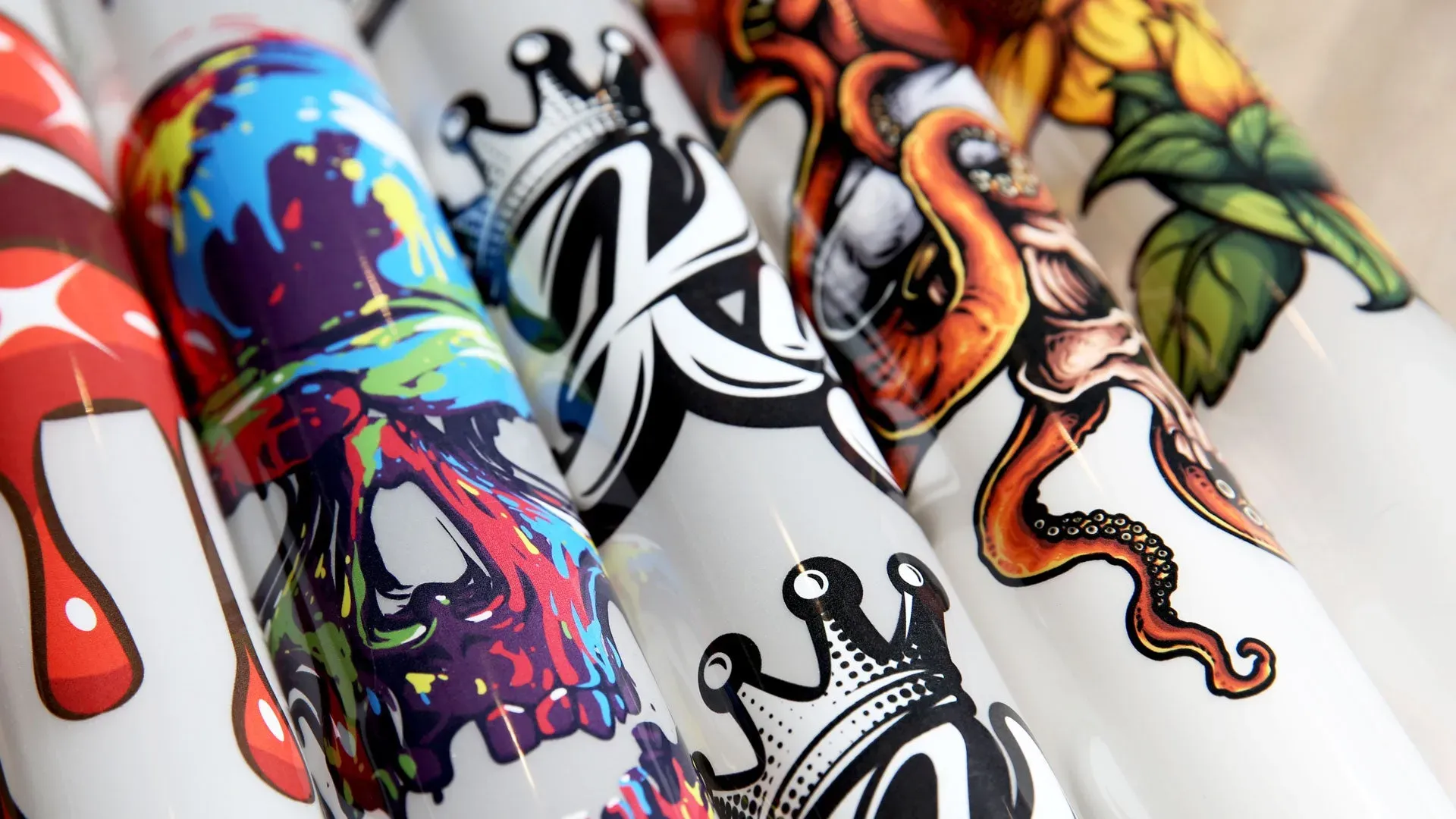
DTF transfers, or Direct-to-Film printing, have emerged as a revolutionary solution in the realm of apparel printing. This innovative technique allows designers to create stunning, vibrant graphics that transfer seamlessly onto various fabrics. Unlike traditional printing methods such as DTG printing and screen printing, DTF transfers offer a unique blend of quality and efficiency that appeals to both small businesses and large enterprises. With a focus on durability and cost-effectiveness, DTF technology stands at the forefront of modern printing methods, providing artists and apparel manufacturers with the tools to push the envelope of creativity. In this blog post, we will delve into a comprehensive comparison between DTF transfers and other established printing techniques, highlighting key features that set DTF apart from the rest.
Direct-to-Film printing, often abbreviated as DTF printing, has gained traction as a contemporary approach to custom printing on textiles. This process is particularly appealing for its ability to generate intricate designs with precision, setting it apart from older methods like Direct-to-Garment (DTG) and traditional screen printing. In the competitive world of custom apparel, the term "film transfer printing" is also frequently used to describe this technology, which allows for rich color reproduction and detail retention. As we explore the nuances of DTF transfers versus established printing systems, we will examine their benefits in terms of print quality, longevity, affordability, and environmental considerations. Understanding these terms and comparisons provides a clearer view of how DTF can revolutionize the way brands approach garment decoration.
Understanding Direct-to-Film (DTF) Transfers
Direct-to-Film (DTF) printing represents a revolutionary advancement in the apparel printing industry, enabling high resolution and vivid color reproduction on various fabric surfaces. This innovative method utilizes a special film to which the design is printed, followed by a heat transfer process that firmly adheres the design to the substrate. Unlike traditional methods such as DTG, where ink is applied directly onto the garment, DTF transfers create an additional layer that enhances the vibrancy and detail of the print, making it particularly advantageous for intricate graphic designs.
As DTF printing continues to gain traction in custom apparel production, its advantages become increasingly evident. For one, the versatility of DTF transfers allows for a broader range of fabrics, including cotton, polyester, and blends, which is a significant advantage over DTG printing, often limited to certain fabric types. Additionally, DTF does not require pretreating garments before printing, significantly reducing preparation time and allowing for a faster production process. This not only enhances productivity but also responds to the growing demand for quick-turn custom solutions.
Comparative Analysis: DTF vs. DTG Printing
When comparing DTF to Direct-to-Garment (DTG) printing, several key differences emerge concerning quality, application process, and versatility. DTG printing is renowned for its ability to produce rich, detailed prints directly onto garments, especially useful for designs requiring fine details and photographic images. However, DTF transfers possess unique qualities that make them competitive; they provide vibrant prints on a variety of materials that DTG may struggle with, especially those dyed in darker colors. This feature gives businesses the flexibility to cater to diverse customer preferences.
Moreover, the durability of the prints is another vital consideration. While DTG prints are impressive, their longevity can be challenged with frequent laundering, especially in harsher conditions. DTF printing, with proper care, often demonstrates excellent durability, resistant to fading, peeling, and cracking. Furthermore, the speed of DTF production is markedly higher than DTG, where setup for each print can be time-consuming. In scenarios demanding high-volume output, DTF presents a remarkable advantage, allowing brands to fulfill orders promptly without compromising on quality.
Cost-Effectiveness of DTF Transfers vs. Screen Printing When looking at the financial investment of printing methods, DTF transfers are particularly cost-effective compared to traditional screen printing. Screen printing often entails high initial costs due to the requirement for multiple screens and setup for each design. This can make it less viable for small or unique orders that don’t justify such expenses. In contrast, DTF printing simplifies this process by using a single film for multiple applications, making it an economic choice for many businesses, especially startups in the custom apparel market.
Additionally, DTF's affordability extends beyond setup costs; it reduces the wastage commonly associated with screen printing. In screen printing, issues like ink smudges or misalignments can lead to wasted fabric and resources. DTF minimizes these risks due to its film-based application, providing a method where businesses can produce with confidence. For brands looking to maximize profits while keeping overhead low, DTF transfers represent a smart financial move.
Speed and Efficiency of DTF Printing
In today's fast-paced market, speed and efficiency are critical factors for apparel businesses to thrive. DTF printing offers a remarkable advantage over screen printing when it comes to production timelines. The setup for screen printing involves various stages, including creating screens for each color in the design, which can be time-intensive, especially for multi-colored graphics. DTF printing, however, allows a more streamlined process; designs are printed directly onto the transfer film, ready for application on garments in a fraction of the time.
Moreover, DTF technology is uniquely suited to accommodate small batch orders and one-off designs that are increasingly popular among consumers seeking unique apparel. This adaptability not only caters to niche markets but also ensures that businesses can quickly pivot in response to emerging fashion trends. By utilizing DTF printing, companies can achieve quicker turnaround times on orders, enhancing customer satisfaction and loyalty, which is essential in the competitive landscape of fashion.
Sustainability Considerations in DTF Transfers
Sustainability is an evaluated concern across various industries, and apparel printing is no exception. DTF printing showcases some eco-friendly features, particularly in reduced water usage compared to traditional methods like DTG. The printing process for DTF employs less water, making it more resource-efficient and appealing to environmentally-conscious consumers. However, the conversation does not end here; the inks used in DTF, often plastisol-based, can present sustainability challenges due to their non-biodegradable nature.
It's crucial for businesses to consider these environmental impacts while choosing their printing methods. As consumers increasingly gravitate toward sustainable brands, companies utilizing DTF printing must remain vigilant about minimizing their ecological footprint. This may involve exploring alternative ink options or implementing recycling strategies within their production processes. Educating customers about the environmental aspects of DTF printing can also foster transparency and build trust, essential components for thriving in a sustainability-driven market.
The Future of DTF Transfers in Apparel Printing
As technology progresses, the future of DTF transfers in the apparel printing landscape looks promising. Continuous advancements in ink and transfer films are enhancing the efficiency, color depth, and durability of prints, positioning DTF as a leading choice for businesses aiming to innovate within the market. These improvements not only bolster print quality but also address many eco-efficiency concerns raised by consumers and manufacturers alike.
Looking ahead, we can expect an increased integration of automation in DTF printing, with machines becoming smarter and more user-friendly. This will enable smaller businesses to scale operations without significant labor investment. Furthermore, as customer demand for personalized and unique apparel grows, DTF transfers are well-suited to meet these needs, making them an essential component of the future of custom apparel printing. As industry trends evolve, those leveraging DTF technology will likely remain at the forefront of the apparel printing revolution.
Frequently Asked Questions
What are DTF transfers and how do they compare to DTG printing?
Direct-to-Film (DTF) transfers are a modern printing method that transfers vibrant designs onto fabrics using a heat press, similar to Direct-to-Garment (DTG) printing. However, DTF excels in producing detailed prints with various colors, making it suitable for complex designs, while DTG is often limited by its ink options and may not offer the same vibrancy on all fabric types.
How durable are DTF transfers compared to screen printing?
DTF transfers are recognized for their good durability, but they may not be as resilient as screen printing in the long term. Proper care is essential to prevent fading; however, DTF can provide a robust print finish for regular use when maintained properly.
Is DTF printing more cost-effective than DTG or screen printing for small orders?
Yes, DTF printing is typically more cost-effective for small to medium-sized orders compared to screen printing, which involves higher setup costs. DTF allows businesses to minimize financial risks, making it accessible for startups and custom print shops.
What advantages does DTF transfers offer in terms of production speed?
DTF printing offers faster production speed than traditional screen printing due to its less labor-intensive setup process. This quick turnaround makes DTF a favorable option for fulfilling time-sensitive orders in the fast-paced fashion industry.
What environmental considerations should be taken into account when choosing DTF transfers?
While DTF printing uses less water than DTG and screen printing, concerns arise from the use of plastisol inks, which are non-biodegradable. It’s essential for businesses to evaluate the ecological impact while selecting DTF as their printing method.
Can DTF transfers achieve the same print quality as DTG printing?
Yes, DTF transfers can match or even exceed the print quality of DTG printing, especially in terms of vibrancy and detail. DTF's ability to print intricate designs makes it a strong competitor for high-quality apparel printing.
| Aspect | DTF Transfers | DTG Printing | Screen Printing |
|---|---|---|---|
| Quality and Detail | Exceptional vibrant colors and detail, suitable for complex designs. | Produces high-quality prints but may struggle with darker fabrics. | Good for bold designs but lacks the detail of DTF or DTG. |
| Durability | Robust with proper care but can fade over multiple washes. | Very durable, especially with proper maintenance. | Extremely durable and withstands multiple washes well. |
| Cost-Effectiveness | More affordable for small to medium-sized orders. | Higher costs due to setup; best for large runs. | Lower initial investment; cost increases based on design complexity. |
| Production Speed | Fast turnaround times, suitable for time-sensitive orders. | Longer setup times; slower for bulk orders. | Time-consuming due to multiple setup processes. |
| Environmental Impact | Uses less water, but concerns over plastisol ink. | Less environmental concern, but higher water use. | Less eco-friendly, high resource usage and waste. |
Summary
DTF Transfers have emerged as a revolutionary method in the printing industry, offering unmatched quality and versatility for custom apparel. Compared to traditional printing techniques like DTG and screen printing, DTF presents a dynamic solution that excels in producing vibrant and intricate designs that cater to the diverse needs of consumers and businesses alike. While maintaining durability and cost-effectiveness, DTF printing provides swift production times, an essential advantage in today's fast-paced market. However, as with any technology, there are sustainability considerations that businesses must address when deciding on printing methods. In conclusion, DTF Transfers not only meet the demands of the custom apparel industry but also encourage a critical evaluation of environmental impact, driving innovation towards a more sustainable future.