
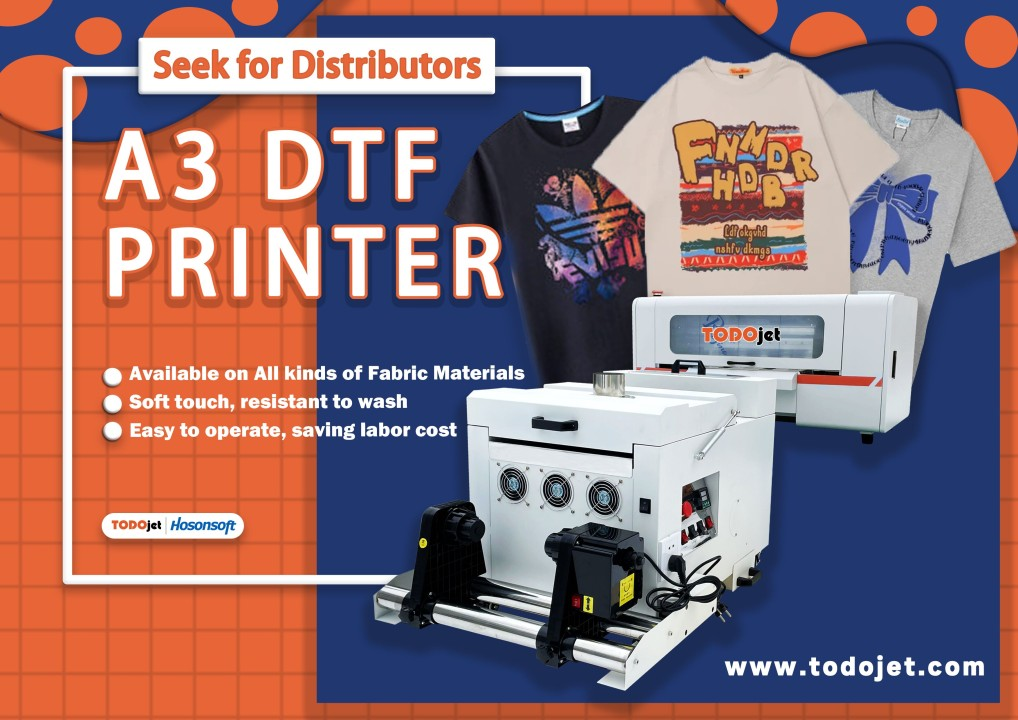
DTF technology, or Direct-to-Film printing, is quickly becoming a game-changer in the realm of custom printing. This advanced printing method allows for the creation of high-quality prints that are not only vibrant but also exceptionally durable. By transferring detailed designs onto a special film before applying them to fabric, DTF technology elevates the standard for print-on-demand services, offering businesses the flexibility to cater to diverse client needs. The benefits of DTF include reduced production times, cost-effectiveness, and the ability to print on a variety of materials ranging from light to dark fabrics. As we dive deeper into the world of custom printing, understanding and harnessing the power of DTF technology will be essential for anyone looking to stay competitive in this rapidly evolving market.
In the world of personalized printing solutions, the term Direct-to-Film (DTF) printing embodies a transformative approach that combines quality and efficiency. Frequently dubbed as the future of fabric printing, this technique revolves around applying intricate designs onto a specialized film, which is then seamlessly pressed onto numerous textile types. Innovations in this space have rendered DTF processes incredibly versatile, enabling businesses to achieve stunning results on demand. Not only does this method boast numerous advantages, including diminished operational costs and quicker turnaround times, but it also fosters creativity and customization in apparel production. As we explore the landscape shaped by DTF, the potential for high-quality and tailor-made prints becomes ever more evident.
Understanding the Basics of Direct-to-Film Printing
Direct-to-Film (DTF) printing is an innovative technique that enables print providers to place intricate designs onto a specialized transfer film. This film is engineered to endure high-temperature applications, making it ideal for heat transfer onto various fabrics. Unlike traditional screen printing, which usually requires multiple setups and screens for each color, DTF allows for vivid, full-color designs to be transferred in one go. This means that even the most complex graphics can be achieved with precision and efficiency, catering to the modern demand for custom prints.
Furthermore, the DTF process minimizes waste, as it uses only the required amount of ink on the film, allowing businesses to reduce costs associated with ink and materials. This efficiency not only contributes to a lower overhead but also aligns with sustainable practices by decreasing excess production waste. As DTF technology continues to evolve, its accessibility and simplicity promise to redefine the standards for custom printing methods.
The Transformative Benefits of DTF Technology
One of the standout advantages of DTF technology is its ability to produce high-quality prints that do not compromise on detail or vibrancy. Users benefit from an impressive resolution that enhances the aesthetics of printed designs, making them stand out in a crowded marketplace. The prints are designed to resist fading, cracking, and peeling, which ensures that items maintain their fresh look even after repeated washes. This durability is particularly essential for businesses looking to build a loyal customer base that values quality.
Moreover, DTF technology is incredibly versatile, allowing printing on various fabrics such as cotton, polyester, and even blends. This adaptability caters to a wide audience, enabling businesses to fulfill diverse customer requests—from casual wear to special event apparel. Such flexibility positions DTF as a go-to solution for the ever-growing demand for personalized merchandise.
Advancements and Innovations in DTF Printing
Recent advancements in DTF technology are transforming the custom printing industry, offering features that enhance both efficiency and print quality. For instance, the launch of compact A3 DTF printers has democratized access to this technology, allowing small businesses and home operations to produce high-quality prints without prohibitive startup costs. These machines are tailored for the print-on-demand market, making them an ideal investment for entrepreneurs looking to capitalize on the growing demand for custom apparel.
Additionally, trade shows like the DTF Expo highlight collaborative efforts in the industry to push the boundaries of what’s possible with DTF technology. New innovations showcased, such as advanced heat press machines and personalized solutions, underscore a commitment within the community to continually enhance the functionality of DTF. This trajectory not only strengthens the market but also invites creative exploration and experimentation in custom printing.
Cost-Effectiveness and Operational Efficiency of DTF
Cost-effectiveness is a significant advantage of DTF printing, particularly appealing to small businesses and startups. Unlike traditional screen printing, which often demands considerable upfront investment in screens and equipment, DTF technology allows for a model that thrives on demand. With minimal setup costs and the ability to print as orders come in, businesses can maintain a flexible production schedule without incurring excessive overhead.
Furthermore, the simplified process associated with DTF printing enhances operational efficiency. Fewer steps are required, reducing the complexity that often bogs down production in conventional methods. This streamlining not only speeds up turnaround times but also allows businesses to tackle larger orders without overwhelming their resources, establishing a more responsive service model that aligns seamlessly with market trends.
Exploring the Potential of Gang Sheets in DTF Printing
Another aspect gaining attention within the DTF landscape is the use of gang sheets. This technique involves printing multiple designs on a single film sheet, optimizing material usage and reducing waste. Not only does this method lower costs, but it also maximizes the efficiency of the printing process, allowing businesses to fulfill larger orders without needing additional resources. By employing gang sheets, companies can effectively meet diverse customer demands while maintaining quality.
As businesses adopt gang sheets, they gain a competitive edge by maximizing the use of their printing equipment and minimizing production delays. This efficiency can lead to quicker delivery times for customers, enhancing satisfaction and encouraging repeat business. In a market where speed and cost-effectiveness are paramount, mastering the gang sheet technique could prove invaluable for many custom printing ventures.
The Future of Custom Printing with DTF Technology
Looking ahead, the future of DTF technology appears poised for continued growth and innovation. With advancements in machinery and software, businesses can expect enhanced capabilities that expand the potential of custom prints. The integration of smart technologies, such as automated workflow systems and AI-assisted design tools, could further augment the DTF process, making it easier for operators to achieve consistent quality in their prints.
Moreover, as the trend toward personalized and on-demand printing services gains traction, DTF technology is well-positioned to cater to this demand. The increasing popularity of individualized products—such as custom apparel—suggests that businesses that embrace DTF will not only thrive but could also lead the market in providing exciting new offerings that resonate with consumers. In this context, DTF technology represents not just a method of printing, but a beacon for the evolution of custom printing in the digital age.
Frequently Asked Questions
What is DTF technology and how does it improve custom printing?
DTF technology, or Direct-to-Film printing, revolutionizes custom printing by allowing designs to be printed onto a special transfer film before being heat pressed onto fabrics. This method results in high-quality prints with vibrant colors and exceptional durability, making it ideal for delivering detailed designs across various textile materials.
What are the benefits of DTF technology in custom printing?
The benefits of DTF technology include high-quality prints that resist cracking and fading, versatility to print on a variety of fabrics like cotton and polyester, cost-effectiveness through lower setup costs, and a simplified printing process that boosts production efficiency and reduces turnaround times.
How is DTF printing suitable for print-on-demand services?
DTF printing is particularly suitable for print-on-demand services due to its ability to produce high-quality custom prints with minimal setup costs. This technology allows businesses to create tailored designs quickly and efficiently, catering to specific customer requests without the need for large inventories.
What recent developments have been made in DTF technology?
Recent developments in DTF technology include the introduction of compact A3 DTF printers targeting the print-on-demand market, advanced heat press machines that enhance print quality, and innovations in personalized apparel printers that support small businesses in customizing their offerings.
Can DTF technology be used for printing on dark fabrics?
Yes, DTF technology excels at printing on dark fabrics, making it a versatile choice for a wide range of custom printing projects. This capability allows businesses to fulfill diverse customer demands, extending their products beyond lighter-colored textiles.
What are gang sheets in DTF printing, and how do they benefit businesses?
Gang sheets in DTF printing refer to the technique of optimizing printing space by combining multiple designs onto a single transfer film. This approach helps businesses reduce material waste and lower costs while maximizing productivity and efficiency in production.
| Key Points | Details |
|---|---|
| Understanding DTF Technology | DTF printing involves applying designs onto special transfer film, which is heat pressed onto fabrics. It allows for detailed and durable designs. |
| Recent Developments | 1. AM.CO.ZA launched an A3 DTF printer for small businesses in South Africa. 2. DTF Expo 2025 showcased new heat press technologies. 3. xTool introduced a compact apparel printer for personalized solutions. 4. Introduction of gang sheets for efficient printing. |
| Benefits of DTF Technology | 1. High-quality prints with vibrant colors. 2. Versatile for various textile materials. 3. Cost-effective through affordable setup and on-demand production. 4. Simplified printing process improving efficiency. |
| Future of DTF Technology | Expected continued advancements enhancing efficiency and accessibility, catering to growing demand for personalized and localized print-on-demand services. |
Summary
DTF technology is a cutting-edge printing method that is redefining the custom printing industry. Its ability to produce high-quality, durable prints on a variety of fabrics positions it as a leading choice for businesses looking to provide custom solutions. The ongoing innovations in DTF technology not only enhance printing quality and efficiency but also make it accessible to small enterprises, thus democratizing the custom printing market. As DTF technology continues to evolve, it offers exciting possibilities for the future of personalized printing, enabling brands to meet customer demands effectively while fostering a more sustainable production process.