
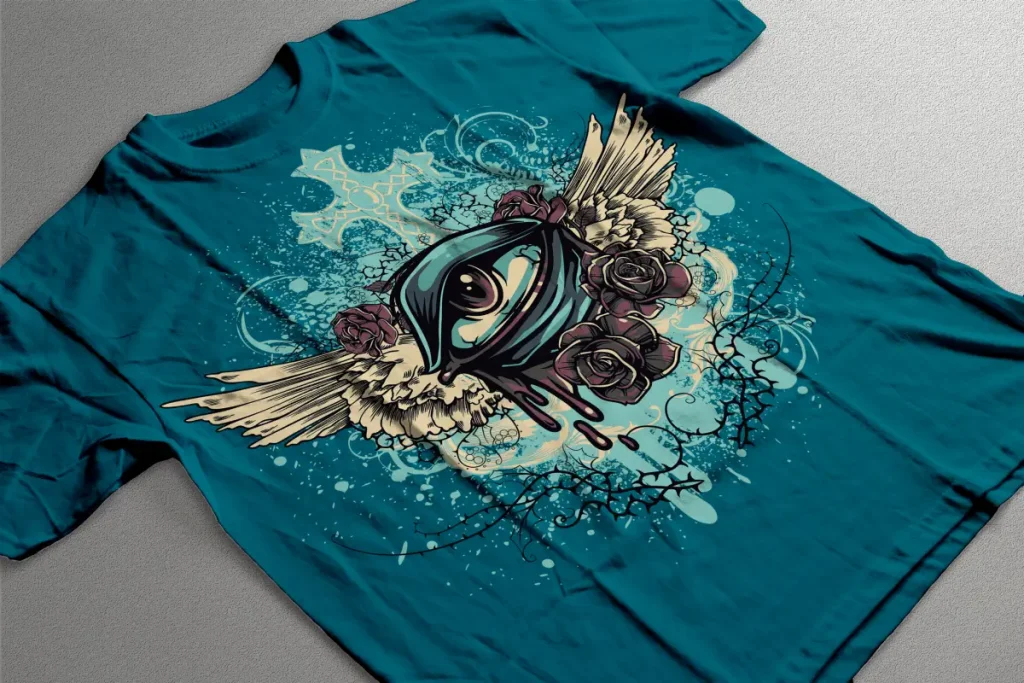
Navigating the complex world of modern textile decoration requires a strategy that balances speed, cost, and crisp visual execution. For decades, custom apparel shops and independent clothing brands had to choose between the heavy setup limitations of screen printing and the material restrictions of vinyl cutting. Today, high-quality dtf transfers have completely reshaped the landscape, offering a universal printing solution that requires no weeding, no screen burning, and no color limits. This revolutionary process allows creators to produce retail-grade garments on demand, unlocking a level of creative freedom and operational efficiency that was previously unimaginable in the garment decoration industry.
The magic behind this movement lies in the technical design of DTF (Direct-to-Film) engineering. Instead of applying inks directly onto a garment or cutting away solid layers of vinyl, artwork is digitally printed onto a coated polyester film carrier. A specialized, heat-activated adhesive powder is then applied across the wet ink surface and cured under a thermal heating element. This creates a flexible, durable heat transfer ready to be pressed onto almost any textile substrate. Because the process captures fine details, smooth gradients, and thousands of colors simultaneously, it has quickly become the primary production choice for businesses looking to expand their catalog with premium products.
The Evolution of Modern Heat Transfers vs. Traditional Printing
To fully appreciate how this technology elevates a brand, it is helpful to look at how it compares to older, legacy methods. Traditional screen printing is highly efficient for orders containing hundreds of identical garments with low color counts. However, when a customer requests a multi-colored layout or a short production run, the labor costs of preparing individual mesh screens quickly make the project unprofitable. Direct-to-film graphics eliminate these preparation barriers entirely, making short runs, single custom orders, and complex colorful designs highly cost-effective.
Another major shift has occurred in the actual hand-feel and longevity of the finished custom shirt. Early iterations of heat applied graphics often felt thick, heavy, and plastic-like on the fabric, leading to cracking and fading after a few trips through a washing machine. Modern ink formulas and soft TPU adhesive powders create a incredibly thin, flexible layer that stretches naturally with the fabric fibers. This ensures that the garment retains its soft feel, breathability, and structure, matching the demanding standards of the high-end retail fashion market.
Key Structural Advantages of Direct-to-Film Prints
Integrating these advanced prints into your custom apparel workflow introduces immediate production advantages that directly benefit your bottom line. Below are the key structural reasons why commercial decorators are shifting away from older equipment platforms:
- Universal Fabric Bonding: Unlike sublimation, which demands high polyester counts on light fabrics, or direct-to-garment systems that require complex pre-treatment fluids on heavy cotton, these film transfers bond perfectly to 100% cotton, polyester, poly-blends, canvas, nylon, and performance athletic materials.
- Photographic Image Quality: High-resolution digital printheads allow for the perfect reproduction of intricate vector lines, shadows, complex color blends, and photographic artwork without any loss of clarity.
- Extreme Washing Durability: The cross-linked polymer adhesive is engineered to withstand over fifty rigorous wash and dry cycles without showing signs of peeling, lifting, or fading at the borders.
- Minimized Material Storage: Shops can store hundreds of printed designs flat in space-saving bins for months, pressing them onto garments only when a customer completes a purchase online.
Sourcing Premium Production Materials in Your Territory
When customer demand spikes and production deadlines approach, shipping delays can easily disrupt your business rhythm. This operational pressure encourages many independent clothing labels and promotional companies to actively search for dependable dtf transfers near me to insulate their local supply chain from shipping bottlenecks. Securing a regional manufacturing partner means you can pick up high-volume orders quickly, reduce overall transit fees, and keep your production heat presses running without unexpected interruptions.
However, proximity should never replace strict quality benchmarks. When evaluating local suppliers, you should look into their technical environment. A premier print facility will actively control room temperature and humidity levels, as excessive moisture can cause printing films to repel water-based inks or cause adhesive powder to clump up inside the shaker system. Working with an expert provider that maintains strict manufacturing standards ensures that every transfer sheet you receive behaves predictably during the application process.
Achieving Commercial Excellence in the Texas Textile Market
The custom apparel environment throughout Texas is highly competitive, and standing out requires delivering a flawless product every time. Finding the best dtf transfer at Houston means aligning your business with an industrial production center that understands the technical demands of local atmospheric conditions. The intense heat and humidity of the Gulf Coast region can severely impact printing film and powders if they are not stored and processed in a perfectly climate-controlled facility, making professional expertise non-negotiable.
Premium production centers separate themselves by utilizing wide-format industrial printing machinery equipped with automatic white ink circulation systems. Because white pigment ink contains heavy titanium dioxide, it can easily settle and cause clogs if left stationary inside the machine lines. Continuous circulation loops keep the ink perfectly blended, producing dense, opaque white backings that prevent dark fabric colors from bleeding through your design. This technical precision ensures your colors look incredibly vibrant on dark garments, providing a professional finish that attracts repeat customers.
Streamlining Logistics with Regional Printing Partnerships
Utilizing a dedicated Houston dtf transfer hub offers a clear competitive advantage when it comes to speed-to-market. Instead of waiting weeks for international cargo shipments or domestic ground transit from distant states, local makers can submit their digital files and receive their completed rolls of film within tight fulfillment windows. This swift turnaround allows you to take on last-minute corporate events, local school sports orders, and trending pop-culture apparel projects with absolute confidence.
To maximize this local efficiency, mastering the creation of a gang sheet is highly recommended. A gang sheet involves placing multiple designs of different sizes onto a single continuous roll of film. By grouping your primary front-chest prints alongside sleeve details, neck labels, and smaller accessory logos, you use every square inch of the film material. This smart layout lowers your per-print cost, reduces material waste, and increases the speed of your pressing station during busy production cycles.
A Complete Technical Guide to Thermal Pressing
Even the highest grade digital transfer will fail to bond if it is applied using incorrect settings. Attaining a permanent bond requires careful control over temperature, dwell time, and pressure. Follow these step-by-step instructions to ensure professional results across your production runs:
- Equipment Calibration: Turn on your commercial heat press and allow the heating element to reach a stable temperature. For standard cotton garments, set your press between 300°F and 315°F (149°C to 157°C). For delicate synthetic polyesters, lower the heat to around 275°F to 285°F (135°C to 140°C) to protect the fabric from heat marks.
- Moisture Pre-Press: Position your garment flat on the lower silicone pad and press it down for 5 seconds. This quick step flattens the surface fibers and drives out any hidden moisture trapped within the fabric, creating a clean foundation for the print.
- Design Alignment: Place your printed film sheet carefully onto the garment surface, ensuring the textured adhesive powder side is facing down against the fabric weave. Use laser guides or placement rulers for consistent positioning.
- The Primary Press: Lower your heat platen with medium-to-firm pressure (around 50 to 60 PSI) and hold it down for 12 to 15 seconds. Make sure the pressure is distributed evenly across the entire surface area of the design.
- The Cooling Window: Carefully remove the garment from the heat press and lay it flat on a cooling table. Let the film sheet cool down completely to room temperature. Attempting to peel the carrier film while it is still warm can damage the semi-solid adhesive and tear the crisp edges of your artwork.
- The Smooth Peel: Once the transfer is completely cold to the touch, lift one corner of the film and peel it back smoothly and steadily. Keep your hand close to the fabric surface and pull horizontally rather than lifting the film straight up at a sharp angle.
- The Finishing Curing Press: Place the garment back onto the lower platen, cover the exposed print with a sheet of high-grade silicone parchment paper or a textured matte finishing pad, and press for an additional 5 seconds. This secondary step locks the ink deep into the fabric pores and removes any unwanted plastic shine, leaving a beautiful retail-ready matte finish.
Frequently Asked Questions
What causes custom film prints to peel off the fabric after the first wash cycle?
This common issue is almost always caused by insufficient pressure or an incorrect temperature setting during the application process. If you use a basic household iron or a lightweight hobby press instead of a commercial unit, the adhesive powder may not melt completely into the fabric fibers. Always double-check your platen temperature with an infrared thermometer and ensure you are applying firm, even pressure.
Can you safely iron over these digital garment transfers?
Direct exposure to a hot household iron will instantly melt the thermoplastic polyurethane base of the print, distorting the design and ruining the garment. If an end-user needs to iron the clothing, they should always turn the garment inside out and use a low heat setting with a protective cloth over the area.
How should custom apparel made with these prints be washed for maximum lifespan?
To preserve the soft feel and color brightness of the graphic, turn the garment inside out before washing. Use cold or warm water cycles along with mild detergents. Avoid strong chlorine bleach and fabric softeners, and choose low heat tumble drying or air drying to keep the design looking brand new for years.
Is it possible to store unused printed film sheets for a long time?
Yes, printed film sheets can be safely stored for over a year if they are kept in a climate-controlled environment. Store your unused prints flat inside sealed, air-tight bags away from direct sunlight, extreme heat, and ambient moisture to prevent the adhesive powder from degrading.
Securing Your Brand’s Production Competitive Edge
Thriving in the fast-moving custom apparel industry requires a production partner who values precision, consistency, and clear communication. At Harwin DTF, we focus on providing businesses, independent apparel labels, and embroidery shops with the high-performance production materials needed to grow confidently. By pairing premium industrial machinery with top-tier inks and powders, we eliminate the guesswork from custom garment decoration. Whether you are fulfilling small custom orders or processing massive regional corporate contracts, our focus on quality ensures your designs are translated onto fabric perfectly, helping you build lasting customer loyalty one premium garment at a time.