
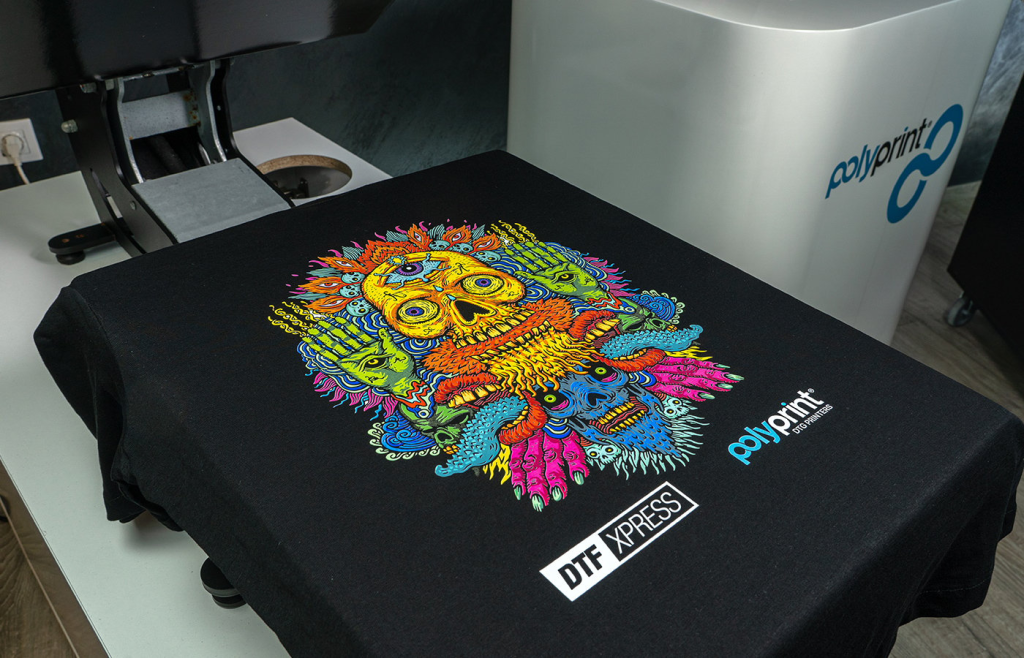
DTF printing, or Direct-to-Film printing, is revolutionizing the landscape of custom garment printing by offering unparalleled quality and efficiency. This innovative printing technology utilizes a sustainable printing process that minimizes waste, making it a favorite for environmentally-conscious businesses and creators alike. DTF printing benefits include its ability to produce vibrant colors with intricate details on a variety of fabric types, which is a significant advantage over traditional methods. As printing technology advancements continue to emerge, DTF printing stands poised to lead the charge in the evolution of apparel printing, allowing for endless creative possibilities. In this guide, we will delve deeper into the art and science of DTF printing, exploring its benefits and the unique advantages it presents for both artists and entrepreneurs.
Direct-to-Film (DTF) printing, sometimes referred to as film transfer printing, has gained significant traction in recent years due to its remarkable versatility and quality. This method allows for designs to be printed onto special film before transferring them onto garments, setting it apart from conventional techniques like screen printing and heat transfer. The technology’s ability to create custom designs on diverse materials, including cotton and polyester, positions it favorably as a go-to solution for businesses within the fashion and merchandise sectors. Additionally, its eco-friendly approach appeals to the growing market of consumers who are mindful of sustainability in their purchasing decisions. As we explore the benefits and mechanisms behind DTF printing, it becomes clear why this advancement is heralded as a game-changer for custom printing.
Understanding the Fundamentals of DTF Printing
Direct-to-Film (DTF) printing is an advanced technology that transforms how designs are transferred onto garments. At its core, DTF printing involves printing designs onto a special film, which is then heat-pressed onto the desired fabric. This method allows for a wide variety of colors and intricate patterns that were often too difficult or impossible to achieve with traditional methods. The DTF process begins with high-quality inks that are applied to the film, followed by a coating of adhesive powder that binds the transferred ink to the fabric upon heating.
One of the most appealing aspects of DTF printing is its versatility. Unlike other technologies that may only work on specific materials, DTF can be used effectively on a wide range of fabrics, including cotton, polyester, and blends. This adaptability opens up a world of possibilities for custom garment printing, making it an excellent choice for fashion designers and entrepreneurs looking to create unique merchandise.
Key Benefits of DTF Printing
DTF printing comes with a multitude of benefits that make it a preferable option in the custom printing landscape. One of the major advantages is the high-quality output; prints are vibrant, durable, and resistant to fading. This is especially important for businesses that prioritize excellent visual appeal in their products. In addition, the ability to print on various fabric types without compromising quality means that designers are no longer limited to using specific materials.
Moreover, DTF printing is celebrated for its efficiency and eco-friendliness. As a sustainable printing technology, DTF minimizes material waste by using only what is necessary for printing. Furthermore, advancements in the machinery and techniques used in DTF have made it possible to produce high volumes quickly, addressing the needs of businesses that require rapid turnaround times without sacrificing quality.
Sustainability in Printing Practices
Sustainability is a pressing concern in today’s marketplace, and DTF printing stands out as a champion of eco-friendly practices. Traditionally, many printing methods have generated significant waste and utilized harmful chemicals. In contrast, DTF printing employs a more sustainable approach by reducing ink and material wastage while maintaining excellent product quality. By adopting DTF technology, businesses can appeal to environmentally conscious consumers who seek to support sustainable practices.
Furthermore, advancements in DTF printing technology continue to improve its sustainability profile. Innovations in ink formulations and printing processes are designed to minimize the environmental impact. As awareness grows about the importance of sustainability in manufacturing, DTF printing positions itself as a viable solution for businesses aiming to reduce their carbon footprint while delivering high-quality, customizable apparel.
Custom Garment Printing Trends with DTF
The realm of custom garment printing has been dramatically transformed with the introduction of DTF printing. This innovative technology allows for the production of intricate designs and patterns that cater to the unique tastes of consumers. Businesses have begun to leverage DTF printing to create personalized items, from clothing to accessories, tailored specifically to their customers’ preferences. As a result, the demand for custom garments continues to rise.
Additionally, the integration of DTF printing technology has led to wider access for small businesses and entrepreneurs. This democratization of custom printing means that virtually anyone can start a business featuring uniquely designed apparel, driving creativity and competition within the marketplace. As more players enter the industry utilizing DTF technology, consumers are treated to a diversity of options and styles that were previously unattainable.
Advancements in DTF Technology
The advancements in DTF printing technology are nothing short of remarkable. Manufacturers are continually improving the printing equipment and processes, leading to enhancements in print quality and overall production efficiency. Features such as faster print speeds, improved ink formulations, and user-friendly interfaces are becoming standard in modern DTF printers, allowing businesses to streamline their operations effectively.
Moreover, as technology evolves, the cost of entering the DTF printing market has decreased, enabling more businesses to invest in this innovative solution. By reducing barriers to entry, the market sees a growing number of players who are eager to explore the capabilities of DTF printing, further driving innovation and competition in the industry.
Comparison of DTF Printing with Other Methods
When exploring various printing technologies, it’s essential to understand how DTF printing compares to other popular methods like screen printing and sublimation. DTF printing offers unique advantages, primarily its versatility across different fabric types, which gives it a competitive edge over sublimation, which is limited to polyester-based materials. As businesses look for more adaptable options, DTF is often favored.
Additionally, the detailed prints achievable through DTF technology make it a desirable option for high-quality, customized items. While screen printing may have been the go-to for bulk production, DTF’s rapid advancements in technology are making it a strong contender for both small batch and large scale printing, catering to a wider audience than traditional methods.
Frequently Asked Questions
What advantages does DTF printing offer for custom garment printing?
DTF printing is highly favored for custom garment printing due to its vibrant quality and detail, allowing for stunning designs with rich colors. This method caters to various fabric types, making it versatile for both cotton and blends. Additionally, DTF provides a more sustainable printing option by reducing waste compared to traditional methods.
How does DTF printing compare to traditional printing techniques?
DTF printing offers several advantages over traditional printing techniques such as screen printing and sublimation. It allows for detailed prints on a wider range of fabrics without compromising quality, whereas sublimation is limited to polyester. DTF also minimizes waste and uses less ink, promoting a sustainable printing approach.
What are the sustainability benefits of using DTF printing technology?
DTF printing is considered a sustainable printing technology because it significantly reduces waste in apparel production compared to other methods. The process minimizes the use of ink and materials while maintaining high-quality prints. This aligns with modern consumer preferences for eco-friendly products.
Can DTF printing be used on different fabric types?
Yes, one of the key benefits of DTF printing is its versatility across various fabric types. It can be applied effectively to cotton, polyester, and fabric blends, providing options for custom garment printing without the limitations seen with other printing methods.
What advancements in DTF printing technology are currently shaping the market?
Recent advancements in DTF printing technology include the introduction of affordable compact printers aimed at small businesses and increased production capacity from industry leaders. These innovations are making DTF printing more accessible and efficient, catering to rising consumer demand.
Is DTF printing a good choice for small businesses and entrepreneurs?
Absolutely! DTF printing has lowered entry barriers for small businesses through affordable printer options and rapid production capabilities. This technology allows entrepreneurs to offer high-quality custom prints while also being environmentally conscious, making it an attractive option in today’s market.
| Key Features of DTF Printing | Details | Benefits | |
|---|---|---|---|
| Vibrant Quality and Detail | Produces stunning prints with rich colors and detail, ideal for complex designs. | ||
| Sustainability in Apparel Production | Reduces waste in printing, appealing to eco-conscious consumers. | ||
| Versatile Fabric Choices | Can be applied to various fabrics including cotton and blends, unlike sublimation. | ||
| Market Accessibility | Affordable printers available for small businesses, encouraging entrepreneurship. | ||
| Rapid Production | Increases production speed to meet customer demands effectively. | ||
Summary
DTF printing is transforming the landscape of custom garment production by merging vibrant aesthetics with sustainability. As a pioneering technology, Direct-to-Film (DTF) printing not only supports creativity through high-quality designs but also promotes eco-friendly practices. This method’s adaptability across various fabrics makes it an ideal choice for businesses and individuals alike. With continuous advancements in technology and increasing market accessibility, the future of DTF printing promises exciting opportunities for those looking to delve into custom printing. By choosing DTF printing, you’re not only investing in premium quality but also supporting a more sustainable approach to apparel production.