
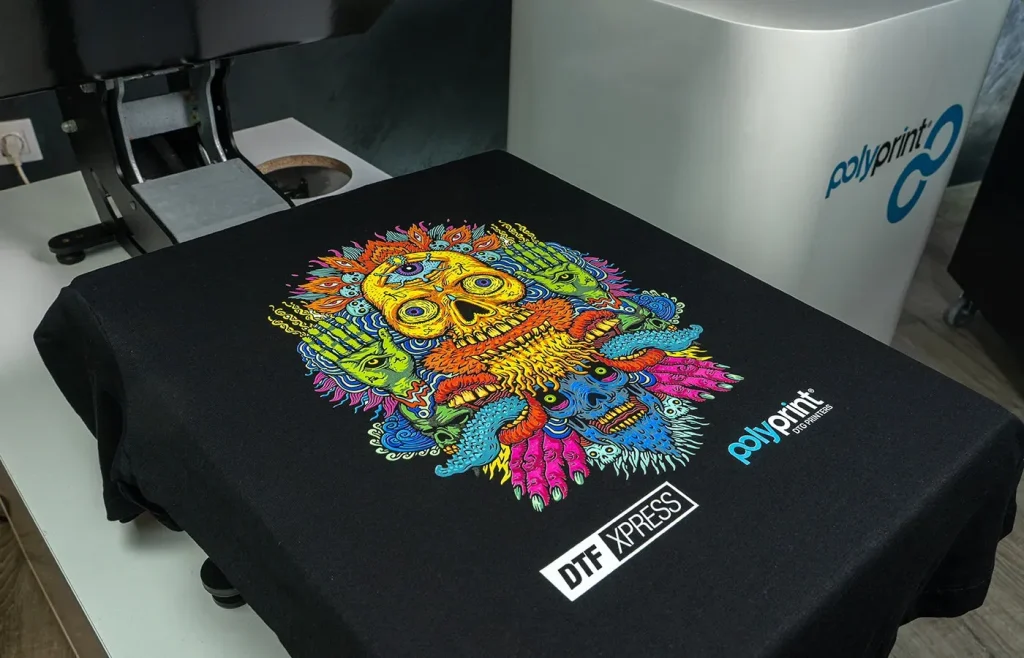
DTF printing, short for Direct to Film printing, is revolutionizing the custom apparel landscape by allowing businesses to effortlessly transfer vibrant designs onto various fabrics. This innovative printing technique utilizes a specialized film to ensure high-quality prints that are both durable and full of color, addressing the needs of modern consumers for personalized and long-lasting apparel. With advancements in DTF technology, the industry is witnessing a surge in demand for DTF transfers, making it easier for brands to stand out in the competitive custom apparel market. From startups to established businesses, the flexibility and cost-effectiveness of DTF printing empower manufacturers to create eye-catching designs without heavy upfront investments. As the technology continues to evolve, it heralds a new era for apparel technology, promising exciting possibilities for both creators and consumers alike.
Direct to Film printing (DTF), a cutting-edge approach in the world of garment decoration, is reshaping how custom clothing is produced. This method, which transfers designs from a film directly onto fabric, offers unparalleled print quality and versatility, placing it ahead of traditional textile printing techniques. Often lauded for its ability to deliver intricate and vibrant visuals, DTF provides brands with the perfect solution to meet consumer demands for unique apparel. The emergence of DTF transfers has made the customization of clothing not just accessible but also economically viable for a range of businesses. In essence, this innovative printing technology embodies the future of apparel technology, facilitating a seamless blend of creativity and practicality in the fashion industry.
Understanding the DTF Printing Process
DTF printing, or Direct to Film printing, involves a unique process that allows colorful designs to be printed onto a film. This method begins with a digital file, which is printed onto transfer film using specialized DTF printers. The result is a high-quality transfer that contains all the intricate details and vivid colors of the original design, thanks to advanced ink technology. Once the film is printed, it undergoes a powdering process where a special adhesive powder is applied, then heat-pressed onto the garment. This means you can achieve remarkably crisp images with vibrant colors, ideal for creating eye-catching custom apparel.
One of the most intriguing aspects of the DTF printing process is its ability to work with a variety of fabrics, including cotton, polyester, and blends. This versatility allows brands to experiment with different materials and styles, ultimately expanding their product offerings. The heat transfer ensures that the design penetrates the fabric’s fibers, resulting in a durable print that lasts through numerous washes without fading or cracking, making it a desirable option for both consumers and retailers alike.
Benefits of DTF Transfers for Custom Apparel
DTF transfers have emerged as a preferred choice in the custom apparel space due to their numerous benefits. One significant advantage is the superior print quality that DTF offers. Compared to traditional screen printing, which can muddy intricate designs due to color mixing, DTF maintains the brightness and detail of the artwork. Custom apparel crafted through DTF printing showcases high-resolution graphics and gradients, appealing to consumers who prioritize quality in their clothing.
Furthermore, DTF transfers are particularly flexible in terms of order quantity. Unlike methods requiring substantial setup and minimum order volumes, DTF printing allows businesses to place smaller orders without significant financial commitment. This fosters creativity among small brands and startups, giving them the freedom to test new designs and products without the burden of excess inventory.
Cost-Effectiveness in DTF Printing
In the realm of custom apparel, cost-effectiveness is often a crucial factor for business decisions. DTF printing presents a more affordable alternative compared to traditional methods like screen printing and embroidery, which require expensive setup and materials. Since DTF technology streamlines the printing process and eliminates the need for separate screens or stencils, costs can be reduced significantly, making it both an efficient and economical choice for printing.
Additionally, the minimal equipment necessary for DTF printing allows businesses, especially smaller ones, to invest in high-quality printing without breaking the bank. This financial flexibility enables them to allocate resources toward marketing and design, ultimately enhancing brand visibility and reaching a wider audience. By embracing DTF printing, custom apparel businesses can thrive in competitive markets while maintaining their budget.
The Role of Apparel Technology in DTF
Apparel technology has seen phenomenal growth in recent years, and DTF printing is at the forefront of this innovation. The integration of advanced digital printing techniques allows designers to produce complex patterns and graphics that were previously challenging to achieve. Innovations like eco-friendly inks and improved transfer adhesives have further advanced the DTF process, making it a modern solution for custom apparel that meets today’s environmental standards.
Moreover, the constant evolution of DTF printing technology means businesses can continually enhance their offerings. With regular upgrades to printing equipment and materials, brands can ensure that their customers receive the most up-to-date fashion trends. This commitment to quality and progress solidifies DTF printing’s place in the future of custom apparel, with technology driving the industry towards more sustainable and inventive practices.
DTF vs. Traditional Printing Methods
As the landscape of printing technology evolves, the debate between DTF and traditional printing methods like screen printing and sublimation continues to grow. DTF printing stands out in many areas, especially regarding its adaptability to multiple fabric types. While screen printing excels with limited colors and specific garment materials, DTF allows for multifaceted designs on a broader range of fabrics. This adaptability is significant for brands looking to diversify their custom apparel lines.
Additionally, DTF printing provides greater detail and color vibrancy compared to traditional sublimation techniques. Since this method allows colors to maintain their intensity, brands can cater to consumers who demand aesthetically compelling apparel. As more businesses recognize the advantages of DTF over traditional methods, many are making the switch to keep pace with industry trends and consumer preferences.
The Future Landscape of DTF Printing
The future of DTF printing in the custom apparel market looks promising as more companies adopt this innovative technology. With the continuous development of DTF printers and transfer materials, businesses can expect even higher print quality and efficiency. This rapid advancement not only meets consumer demand for personalization and readiness but also enhances the competitive edge of brands tapping into this new market.
The increasing accessibility of DTF printing solutions means that aspiring entrepreneurs and small brands can enter the custom apparel industry with relative ease. As more options become available—from in-house printing services to affordable transfer solutions—creatives can unleash their designs without the constraints of traditional large-volume printing. This democratization of custom printing is poised to revolutionize the industry, encouraging even more diversity and expression in fashion.
Frequently Asked Questions
What is DTF printing and how does it work for custom apparel?
DTF printing, or Direct to Film printing, is a revolutionary process that involves printing designs onto a special film which is then transferred to fabric using heat and pressure. This method delivers superior quality in custom apparel, showcasing vibrant colors and intricate details that are durable and long-lasting.
What are the benefits of using DTF transfers for custom apparel?
DTF transfers offer numerous benefits including versatility across various fabrics, exceptional print quality with vibrant colors, and durability that withstands multiple washes. These advantages make DTF transfers an ideal choice for custom apparel projects.
How does DTF print quality compare to traditional printing methods?
The print quality of DTF printing is generally superior to traditional methods like screen printing or sublimation. DTF printing offers brighter colors, better detailing, and the ability to print on a wider variety of fabrics, making it a preferred choice for custom apparel.
Can I print on different fabric types using DTF printing?
Yes! One of the significant advantages of DTF printing is its versatility. It can be used on cotton, polyester, and even fabric blends, making it an excellent option for custom apparel across various materials without compromising print quality.
Do I need to commit to large orders for custom apparel when using DTF printing?
No, DTF printing is particularly favorable as it does not require minimum order quantities. This flexibility allows small businesses and startups to produce custom apparel without facing the pressure of large-volume commitments.
What are the latest advancements in DTF printing technology?
Recent advancements in DTF printing include new in-house DTF services from companies like Sam’s DTF Transfers and cutting-edge printers introduced by xTool. These innovations enhance the quality and accessibility of DTF printing, making it more efficient for businesses in the custom apparel industry.
| Key Points | Details |
|---|---|
| What is DTF Printing? | A printing method that transfers designs from a special film to fabric using heat and pressure. |
| Advantages of DTF Printing | Versatile across various materials, offers high-quality prints, has no minimum orders, and is cost-effective. |
| Recent Developments | New services and technologies by companies like Sam’s DTF Transfers and xTool, enhancing accessibility and quality. |
| The Future of DTF Printing | As innovation continues, DTF printing will drive creativity in custom apparel, benefiting producers and consumers. |
Summary
DTF printing has become a pivotal technology in the custom apparel sector, revolutionizing the way designs are created and applied to fabrics. With its ability to produce vibrant, high-quality prints on various materials, DTF printing stands out for offering unmatched versatility and durability. As advancements from key players enhance its accessibility, small businesses and entrepreneurs can now embrace this innovative printing method without the barriers of high setup costs or minimum order requirements. The implications of DTF printing extend beyond mere aesthetics; they cater to the evolving demands of consumers and brands alike, paving the way for a future brimming with creative opportunities in customized apparel. As the industry continues to evolve, the potential of DTF printing remains incredible and inspirational for all who choose to harness its magic.