
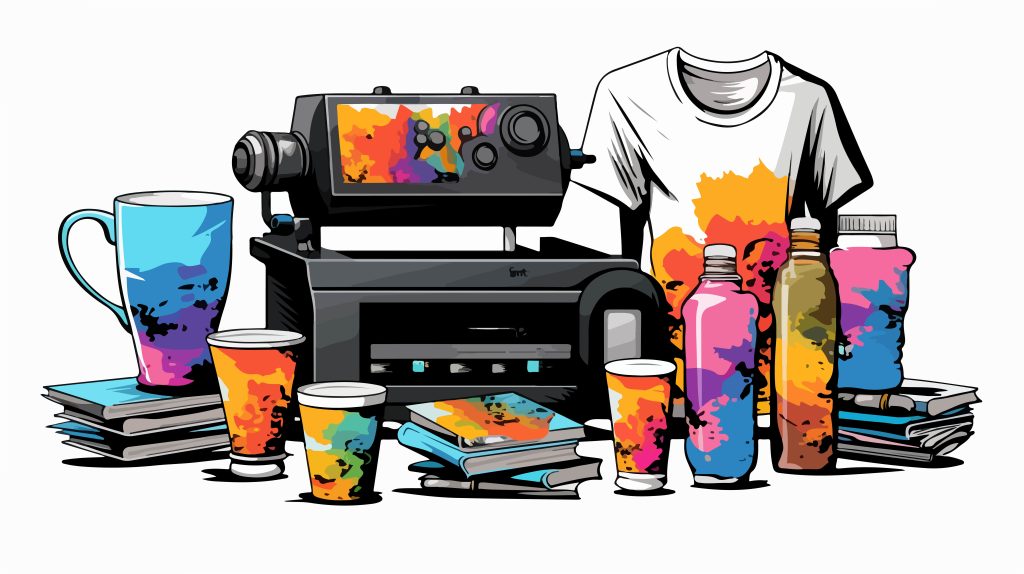
UV DTF, or Ultraviolet Direct-to-Film printing, is revolutionizing the printing industry with its unique blend of technology and efficiency. This method leverages traditional direct-to-film printing techniques, while employing the power of UV printing benefits to cure inks instantly. The innovative UV curing process not only enhances the vibrancy and durability of prints but also allows for exceptional customization in various applications. As businesses increasingly seek custom printing solutions, UV DTF stands out for its adaptability to a wide range of substrates, including textiles and plastics. Understanding the mechanics and advantages of UV DTF technology can help companies harness its full potential and meet the demands of modern consumers.
In the rapidly changing landscape of printing methodologies, Ultraviolet Direct-to-Film presents a remarkable option for achieving high-quality prints. This contemporary approach utilizes a specialized curing process that employs ultraviolet light, allowing traditional film printing techniques to thrive in today’s fast-paced market. With the ability to create vibrant, durable designs on multiple materials, this technique addresses the growing trend for personalized and custom designs in various industries. By exploring alternatives like this advanced printing method, businesses can elevate their offerings while maximizing efficiency and sustainability. As interest in direct-to-film printing continues to expand, the synergy of UV technology within this realm is poised to redefine production capabilities.
Understanding UV DTF Technology
UV Direct-to-Film (UV DTF) printing merges the advantages of traditional Direct-to-Film printing with the revolutionary UV curing process. This contemporary technology streamlines the printing procedure by using UV light to cure inks almost instantly, which enhances print quality and durability. Unlike conventional methods, where inks must evaporate, the UV DTF technique allows for vibrant and detailed images to be applied on various substrates, including textiles, plastics, and metals. The ability to print on multiple materials makes UV DTF a valuable tool across diverse industries, including fashion and personalized item production.
The adoption of UV DTF technology has rapidly increased, reflecting its significance in the evolving print landscape. By understanding the mechanics of UV DTF, businesses can leverage its potential to offer high-quality, custom printing solutions. Since it utilizes a special film that carries UV-reactive inks, the process enables easier image transfer and guarantees superior adhesion. With UV DTF, businesses are not only enhancing their product aesthetics, but they are also ensuring longevity and reliable performance, ultimately delivering value to their customers.
Mechanics of UV DTF Printing Process
The UV DTF printing process starts with film preparation, where a specially coated film receives UV-reactive inks. This initial step is critical as the film acts as a bridge between the printer and the final substrate. High-quality inks are necessary to maximize color vibrancy and adherence once the image is transferred. After printing, a polymer adhesive is applied to ensure the inks stick firmly to the surface being printed on, whether it be apparel or promotional goods.
Following the image transfer, the crucial UV curing process takes place. This step involves exposing the printed film to ultraviolet light, which instantly solidifies the inks. This not only enhances the durability of the print against wear and environmental stressors but also facilitates faster production timelines, allowing businesses to respond quickly to market demands. As the UV DTF process continues to evolve, manufacturers are exploring additional innovations to enhance print quality and speed.
Benefits of Using UV DTF Technology
One of the most notable advantages of UV DTF technology is its efficiency. The ultraviolet curing process significantly reduces drying times compared to traditional printing methods. This rapid curing allows for quicker turnaround on custom projects, enabling businesses to meet the demands of fast-paced consumer needs. Moreover, the UV inks used are known for their vibrant colors and long-lasting results, which can effectively enhance the overall quality of printed materials.
Another key benefit is the versatility of UV DTF technology. Its ability to print on an extensive range of materials opens new opportunities for companies to diversify their product offerings. From custom apparel to distinctive promotional items, UV DTF caters to various industries looking for high-quality, durable prints. Additionally, the eco-friendliness of UV inks aligns with the growing consumer demand for sustainable practices, allowing businesses to maintain environmental responsibility while innovating their product lines.
Recent Innovations in UV DTF
Recent advancements in UV DTF technology focus on enhancing the flexibility and adherence of inks, particularly for stretchable materials. This innovation is crucial for applications in the fashion industry, where garments must maintain integrity while providing intricate designs. Continued improvements in ink formulations are allowing printers to create designs that can withstand stretching without compromising quality.
Another area of innovation is in the development of more advanced printing hardware and software. These updates provide greater color accuracy and registration, ensuring that every print meets high standards. As UV DTF technology evolves, businesses adopting these innovations report increased production velocity and improved product quality, positioning themselves as leaders in a competitive marketplace.
Growing Market Trends for UV DTF
The UV DTF market is gaining momentum, driven by the demand for custom printing solutions across various sectors. Industries such as apparel, home décor, and promotional items are increasingly investing in UV DTF capabilities as personalization becomes a key consumer trend. As consumers seek unique, tailored products, businesses leveraging UV DTF technology have a competitive edge in delivering these demands.
Experts predict a steady growth trajectory for UV DTF technology as more companies recognize its potential in meeting the needs of today’s market while ensuring high-quality outputs. The ability to cater to diverse substrates, coupled with sustainable printing practices, positions UV DTF as an essential part of the future printing landscape, promising exciting developments in coming years.
Environmental Advantages of UV DTF Printing
UV DTF technology not only enhances print quality but also represents a step toward more eco-friendly printing practices. The use of UV inks generally leads to lower emissions of volatile organic compounds (VOCs), which are pollutants often found in traditional inks. This makes UV DTF a greener option, appealing to environmentally conscious businesses and consumers alike.
By integrating UV curing with direct-to-film printing, companies can achieve high-quality prints without the negative environmental impact that often accompanies traditional printing methods. As the demand for sustainable practices grows, UV DTF stands out as a viable solution that supports both high performance and environmental responsibility, making it a preferred choice for modern businesses committed to sustainable growth.
Frequently Asked Questions
What is UV DTF technology and how does it differ from traditional DTF printing?
UV DTF technology, or Ultraviolet Direct-to-Film printing, merges traditional DTF printing techniques with UV curing methods. Unlike conventional DTF printing, where inks require air drying, UV DTF instantly cures inks using UV light. This results in prints that are more vibrant, durable, and resistant to chemicals.
What are the benefits of using UV DTF printing for custom printing solutions?
UV DTF printing offers numerous benefits for custom printing solutions, including rapid production speeds due to the UV curing process, compatibility with a wide variety of substrates such as fabrics, plastics, and metals, and lower environmental impact thanks to reduced volatile organic compounds (VOCs) in UV inks.
How does the UV curing process work in UV DTF technology?
In UV DTF technology, the UV curing process is crucial. Initially, a film coated with UV-reactive inks is printed. Once the image is transferred to the intended substrate, it is exposed to UV light. This exposure instantly cures the inks, solidifying them and ensuring durability against wear and fading.
Can UV DTF technology be used on different materials?
Yes, UV DTF technology is highly versatile and can be used on a variety of materials including fabrics, plastics, metals, and more. This flexibility makes it suitable for diverse industries, ranging from fashion to promotional merchandise.
What recent advancements have been made in UV DTF printing?
Recent advancements in UV DTF printing focus on enhancing ink formulations for better adherence and flexibility, especially for stretchable materials. Innovations in printing software and hardware have also improved color accuracy and registration, leading to higher quality outputs.
How is UV DTF technology influencing market trends in printing?
UV DTF technology is significantly influencing market trends by enabling greater customization in products across industries such as apparel and home décor. As personalization gains traction, the demand for UV DTF solutions is growing, suggesting a strong future for this technology in the printing landscape.
| Key Points | Details |
|---|---|
| What is UV DTF? | Ultraviolet Direct-to-Film printing that uses UV curing for inks, improving durability and vibrancy over traditional methods. |
| Working Mechanism | Involves film preparation with UV-reactive inks, image transfer via polymer adhesive, and curing with UV light for instant ink solidification. |
| Advantages | Offers speed, versatility across various materials, and is eco-friendlier with lower VOCs compared to traditional inks. |
| Recent Applications | Enhancements in ink formulations and production velocity; improved precision in printing with new software and hardware innovations. |
| Market Trends | Growing demand for customization in printing solutions sectors like apparel and decor, with predictions of steady growth in UV DTF technology. |
Summary
UV DTF technology marks a transformative development in the printing landscape, showcasing its unique capabilities and advantages. By merging UV curing with direct-to-film methods, UV DTF not only accelerates production times but also enhances the quality and versatility of prints. This innovative approach caters to a variety of substrates and meets the increasing demand for customizable products, reflecting a trend towards personalization across industries. As digital printing continues to evolve, UV DTF stands out as a leading technique that prioritizes sustainability and efficiency, paving the way for future advancements in the field.