
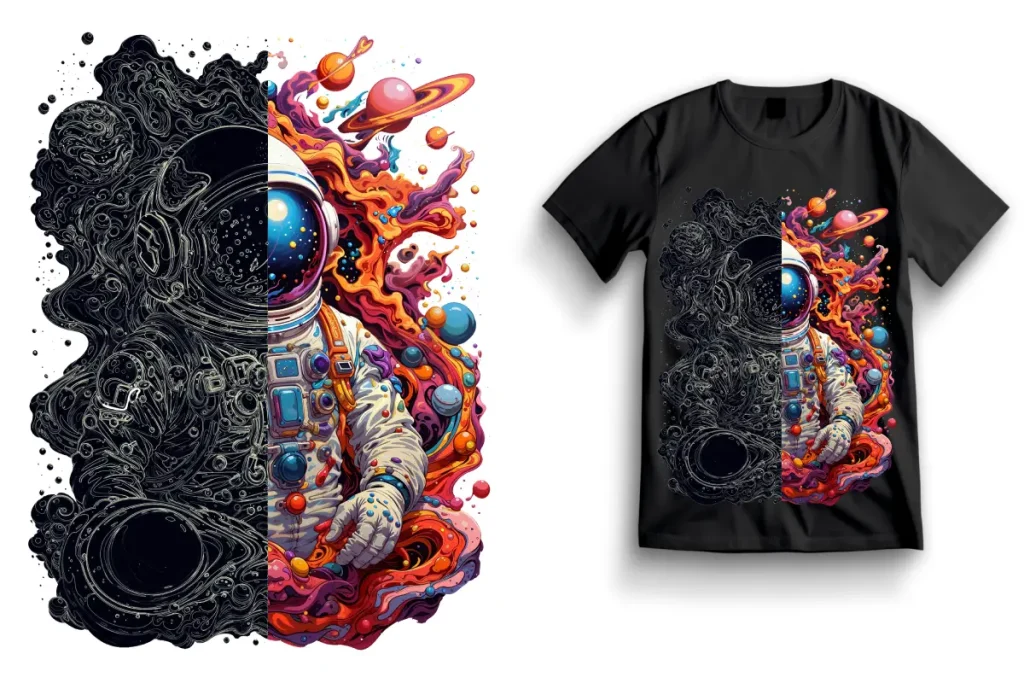
Stepping into the modern textile decoration landscape requires a deep understanding of efficiency, color fidelity, and material adaptability. For years, independent creators and large-scale apparel brands alike struggled with the steep setup costs of traditional screen printing and the material limitations of direct-to-garment alternative setups. Today, specialized dtf transfers have emerged as the definitive bridge between high-volume commercial production and intricate, small-batch personalization. This technology bypasses structural manufacturing limits, empowering businesses to produce retail-ready apparel with complex designs without worrying about minimum order constraints or fabric composition compatibility.
The core mechanism driving this transformation is the advanced DTF (Direct-to-Film) printing methodology. By deploying specialized water-based pigment inks onto a coated polyethylene terephthalate film, followed by the strategic application of a thermal adhesive powder, decorators create a highly flexible design layer. This layer is engineered to fuse flawlessly under precise thermal pressure, melting directly into the fabric matrix rather than forming a brittle skin on top. The result is an incredibly durable graphic that stretches and breathes naturally alongside the textile substrate, making it an indispensable asset for fast-fashion startups and corporate merchandisers seeking reliable consistency.
Deconstructing the Structural Chemistry Behind Film Transfers
To implement this methodology effectively, one must look at the specific scientific variables that separate premium output from sub-par imitations. The process depends heavily on atmospheric balance, correct curing thermal curves, and polymer formulation. A standard workflow involves a multi-layered ink deposition where cyan, magenta, yellow, and black pigments are seamlessly overlaid by a dense, opaque white ink underbase. This white backing acts as an absolute light barrier, ensuring that even when applied to dark polyester or highly vibrant blended workwear, the design colors retain their absolute brilliance without any sub-surface dye migration or graying.
The choice of thermoplastic polyurethane adhesive powder also plays a fundamental role in the longevity of the final product. Industrial-grade powders are formulated to cure completely at specific temperature windows, matching the thermal resistance profiles of modern synthetic and organic fabrics. When cured correctly under automated heating tunnels or specialized heat presses, the powder transforms into a cross-linked adhesive web. This structural bond ensures that the graphic can survive intense mechanical agitation in commercial washing machines, chemical exposure from standard detergents, and extreme temperature shifts without losing its structural integrity or edge definition.
Strategic Advantages for Modern Custom Apparel Production
Integrating digital heat-applied prints into your existing print shop infrastructure offers profound operational advantages. Businesses can transition from a reactive production framework to a highly agile, print-on-demand workflow that significantly reduces overhead expenses and materials waste. The operational benefits span multiple key areas of production:
- Universal Textile Integration: Traditional sublimation requires high polyester contents, and screen printing demands specialized chemical ink adjustments for synthetic fibers. Direct-to-film applications circumvent these barriers, bonding with absolute security to pure cotton, ring-spun poly-blends, heavy canvas, nylon windbreakers, and even treated leather goods.
- Complex Graphical Fidelity: Fine typography, complex vector illustrations, and high-definition photographic gradients often lose clarity during traditional screen separation. Digital film production treats every vector point with crisp clarity, reproducing microscopic design details and subtle transparency fades flawlessly.
- Operational Space and Cleanliness: Eliminating chemical emulsion rooms, massive screen exposure units, darkrooms, and complex ink mixing stations allows production teams to operate out of smaller, more structured clean facilities, lowering regional commercial real estate costs.
- Inventory Risk Mitigation: Instead of pre-printing thousands of t-shirts ahead of an uncertain seasonal launch, brands can print hundreds of consolidated gang sheets, archiving them in climate-controlled storage until an exact order is placed online.
Sourcing Premium Production Materials in Your Territory
When short deadlines arrive and local client demands intensify, waiting for international freight shipments or cross-country logistics lines can severely damage a commercial print shop’s reputation. This vulnerability forces regional production managers to actively seek dependable dtf transfers near me to insulate their supply chain from macro-economic shipping delays and unexpected tracking errors. Accessing a regional supply hub ensures that bulk orders can be collected within tight production windows, keeping local fulfillment lanes running smoothly.
However, proximity must always match strict technical benchmarks. When auditing potential regional partners, print shops should look past basic marketing slogans and audit operational realities. Ask whether the facility runs active climate-control systems to manage ambient relative humidity, as excess moisture causes the film to reject ink or creates clumping within the powder reservoir. A dedicated supplier will always share their specific recommended press temperatures, pressure ratings, and cooling times, treating your production floor like an extension of their own manufacturing ecosystem.
The Epicenter of Texas Apparel Customization
Texas has become a dynamic hub for independent streetwear brands, corporate promotional companies, and specialized uniform providers. Finding the best dtf transfer at Houston demands a connection with an industrial facility that appreciates the unique atmospheric challenges of the Gulf Coast region. High heat and extreme regional humidity can drastically degrade raw printing materials if they are left exposed on the shop floor, making rigorous climate management an absolute requirement for consistent adhesive activation.
Top-tier manufacturing centers within the metropolitan area separate themselves by using dual printhead configurations powered by dedicated white ink agitation pumps. Because white titanium dioxide ink is heavy, it naturally tends to settle and clog line systems if left static. Industrial hubs use continuous loop circulation to eliminate this issue entirely, delivering clean, bright prints every hour of the workday. Partnering with an expert facility gives your business access to transfers that lay down smoothly, peel off effortlessly, and carry the clean, retail-ready texture that today’s competitive consumers demand.
Optimizing Logistics via Local Manufacturing Hubs
Utilizing a dedicated Houston dtf transfer partner offers clear logistical advantages that can be converted directly into enhanced profit margins. By avoiding extended transit schedules, brands can capitalize on fast-moving cultural trends, viral social media moments, and sudden corporate requests with unprecedented speed. This speed allows regional teams to out-maneuver larger competitors who remain bogged down by slow, multi-week global shipping pipelines.
To fully exploit this local agility, creative teams should prioritize the efficient layout of bulk gang sheets. A gang sheet involves maximizing every linear inch of a film roll by tightly nesting multiple artwork files together before printing. By arranging large front-chest prints alongside sleeve details, neck labels, and smaller hat graphics, you utilize the full width of the industrial film. This practice minimizes material scrap, lowers your overall cost per print, and maximizes the throughput of your heat press station during high-volume production runs.
A Rigorous Technical Guide to Flawless Thermal Application
Even a masterfully printed design will fail if the final heat press application phase is handled carelessly. Attaining a commercial-grade bond requires balancing heat, dwell time, and physical pressure with clinical accuracy. Below is the precise operational sequence required to ensure a permanent bond:
- Calibrate the Equipment: Turn on your pneumatic or heavy-duty manual heat press and allow it to reach full thermal saturation. For standard ring-spun cotton garments, set the press to 310°F (154°C). If working with sensitive synthetic polyesters prone to heat-scorch marks, adjust the unit down to 280°F (138°C).
- Perform the Moisture Devolatilization Pre-Press: Position the textile onto the lower silicone pad and compress it for 4 to 6 seconds. This step is critical to purge natural water vapor locked deep within the weave and flatten the surface fibers, ensuring the adhesive can make direct contact with the core threads.
- Position the Transfer Graphic: Lay the cured film sheet onto the garment, ensuring the textured powder side sits squarely against the textile face. Align carefully using laser guides or specialized alignment rulers for consistent placement.
- Execute the Primary Thermal Fusion: Lower the heat platen with firm, heavy pressure (roughly 50 to 60 PSI) and hold for exactly 12 to 15 seconds. Ensure your press applies uniform pressure across the entire surface to avoid soft spots at the edges.
- Enforce Complete Thermal Dissipation: Remove the garment from the press and set it onto a clean, flat cooling table. Allow the sheet to reach full ambient room temperature. Attempting to peel the film while it is still warm will fracture the semi-solid adhesive and tear the perimeter of the artwork.
- Execute a Smooth Parallel Peel: Once cold to the touch, grasp a corner of the film and peel it back smoothly in a low, continuous motion. Keep the film close to the garment surface during the pull rather than ripping it upward at a sharp angle.
- Conduct the Final Curing Press: Return the peeled garment to the press, overlay the design with a high-grade silicone parchment paper or a textured matte finishing sheet, and compress for an additional 5 seconds. This secondary step drives the ink deeply into the fiber structure and eliminates any residual synthetic sheen, resulting in a premium, ultra-soft matte finish.
Frequently Asked Questions
What causes transfers to split or lift off the garment after standard laundering?
This failure pattern is almost always caused by an insufficient combination of pressure and temperature during the initial press cycle. If a home iron or lightweight craft press is used instead of a true commercial unit, the adhesive powder does not reach its complete melting point, preventing it from cross-linking with the fabric fibers. Always check your pressure calibration settings and verify actual platen temperatures with an infrared thermometer.
Can these direct-to-film graphics be safely ironed directly by the end-user?
Direct contact with a hot household iron will instantly melt the thermoplastic polyurethane base of the design, ruining the garment. If an end-user needs to remove wrinkles from the apparel, they must turn the garment completely inside out and use low heat with a protective barrier cloth between the iron and the fabric surface.
How does the breathability of film graphics compare to screen printing?
Large, solid blocks of ink will naturally create a barrier to airflow, which is a trait shared by both methods. However, by utilizing halftone rasterization patterns or breaking complex artwork into smaller, open-space components during the design phase, you can maintain excellent garment flexibility and comfort even across larger graphic prints.
Is it possible to store unused printed film sheets for extended periods?
Yes, provided they are stored in a climate-controlled environment. Unapplied film sheets should be kept in sealed, air-tight bags away from direct sunlight, extreme heat, and ambient moisture. When archived correctly, premium prints can remain fully viable for well over a year without any degradation in adhesive strength.
Securing Your Operational Edge in Custom Apparel
Maintaining a competitive advantage in the modern custom merchandise arena requires working with production partners who understand that precision, speed, and reliability are absolute requirements. At Harwin DTF, we focus on providing high-performance production assets designed to keep your shop moving efficiently, eliminating unexpected downtime and sub-par material results. By utilizing premier ink systems and cutting-edge digital filtration equipment, we ensure that every gang sheet we fulfill mirrors your creative digital file exactly. Partnering with our specialized industrial facility allows you to focus entirely on scaling your brand, secure in the knowledge that your finished apparel will consistently meet the highest standards of the modern retail market.