
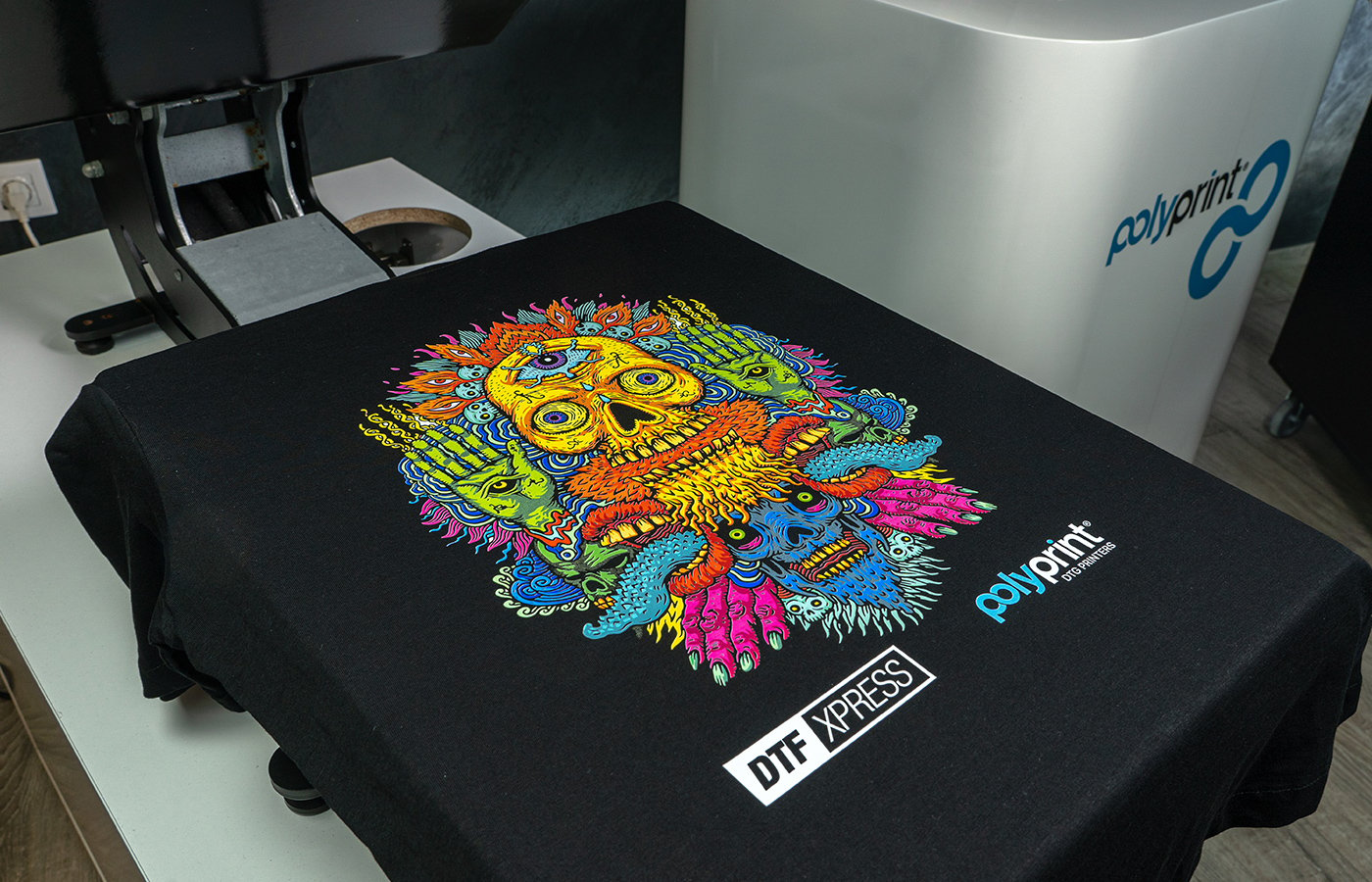
DTF printing, or Direct-to-Film printing, is transforming the landscape of custom apparel printing by enabling creatives to produce stunning designs right from home. This innovative technology allows for vibrant and detailed images to be printed onto specialized film, which can then be easily transferred onto a variety of fabrics. As more people explore how to start DTF printing, the demand for DTF printing supplies and equipment is rising, making it an attractive option for hobbyists and small business owners alike. With just a few essential tools and a bit of knowledge, anyone can embark on a rewarding journey into personalized garment creation. In this guide, we'll cover everything you need to know about DTF printing, from choosing the right equipment to mastering the printing process and ensuring your designs last.
Direct-to-Film printing has gained traction as a go-to method for fabric decoration, offering producers an efficient and user-friendly approach to create custom designs. Often referred to as DTF, this printing technique stands out due to its high adaptability for various materials, allowing creators to infuse their garments with unique artistry. Those curious about engaging in this modern printing method will discover an array of resources detailing essential equipment and supplies needed for DTF printing at home. Furthermore, the versatility of DTF technology not only simplifies the design process but also enhances the overall quality of the printed apparel. As we delve into the world of DTF printing, we'll unveil the steps required to bring your creative visions to life.
Understanding DTF Printing Basics
Direct-to-Film (DTF) printing is a cutting-edge technology that allows users to transfer high-quality images directly onto textile surfaces. Unlike traditional screen printing, DTF printing utilizes a specialized film that enables creators to achieve intricate designs with vibrant colors and details, making it particularly useful for custom apparel printing. This technique not only streamlines the production process for small businesses and hobbyists but also promotes sustainability by significantly reducing ink waste and employing eco-friendly materials.
Understanding the basic mechanism of DTF printing involves recognizing the steps that transform digital designs into tangible prints. The process begins with printing a design onto a PET film using water-based inks, followed by the application of a hot melt adhesive powder. This film is then cured with heat, bonding the ink to the adhesive before transferring it to fabric. With DTF printing, crafters can produce custom apparel efficiently, mastering both aesthetic appeal and durability in their creations.
Essential DTF Printing Equipment
To successfully embark on your DTF printing journey, investing in the right equipment is crucial. The primary piece is a DTF printer, designed specifically for this technology, such as the **LOKLiK iPrinter DTF-A3-XP600**. This printer uses water-based inks, ensuring high-quality results while being environmentally considerate. Additional essential equipment includes DTF transfer film, which must be compatible with your printer, and high-quality adhesive powders that assist in the successful transfer of designs to fabric.
Besides printers and powders, curing equipment is key to your DTF printing success. A reliable heat press or conventional oven will provide the necessary heat for curing the transfers. Proper design software, such as Adobe Illustrator or CorelDRAW, is also vital for crafting stunning, high-definition designs. By ensuring that you have the right DTF printing equipment, you set yourself up for a seamless and productive printing experience at home.
Step-by-Step Guide to DTF Printing
Once your equipment and supplies are in place, the next logical step is preparing for the DTF printing process. Begin by creating your design in your chosen graphic software, ensuring that it is vibrant and aligned with your intended fabric colors. Important tips include ensuring your design dimensions match the film size and remembering to print the image in reverse to preserve the proper alignment during the transfer.
After you’ve created your design, it's time to print it onto the transfer film. Now, sprinkle a uniform layer of adhesive powder over your wet design. This adhesive layer is crucial for ensuring that your image adheres correctly to the fabric during the heat transfer phase. With an adequately prepared design and correctly applied adhesive, you will be well on your way to producing beautiful custom apparel.
DTF Printing Application Techniques
The application process is where DTF printing truly shines, and it is essential to follow the correct procedure to ensure beautiful results. After curing your printed design, position the film onto the fabric, ensuring that it is aligned correctly before applying heat. Utilizing a heat press, press the fabric according to the specific time and temperature recommendations provided with your supplies—typically around 160°C for 10-15 seconds—to ensure a secure transfer.
After you have pressed the design onto the fabric, allow it to cool down before peeling off the transfer film. This moment is critical; a successful transfer will result in a crisp, clear design that is firmly attached to the fabric. Following the correct application techniques not only enhances the visual appeal of your printed items but also contributes to their durability and wearability.
Caring for Your DTF Printed Garments
Proper maintenance of your DTF prints is essential for preserving their appearance and longevity. One of the best practices includes washing printed garments inside out using cold water, which helps protect the vibrancy and integrity of the images. Additionally, it’s advisable to avoid bleach and fabric softeners as they can degrade the print quality over time.
Once washed, opt for air drying whenever possible; if using a dryer, select the lowest heat setting. Proper drying techniques can further help in maintaining the texture and color of the garment while ensuring the DTF prints remain intact. Caring for your DTF printed apparel this way will ensure they remain vibrant and enjoyable to wear for years.
Environmental Sustainability in DTF Printing
DTF printing stands out not only for its versatility and ease of use but also for its environmental benefits, which are increasingly important in today's eco-conscious market. Compared to traditional printing methods, DTF printing markedly reduces waste and utilizes less harmful substances, aligning well with sustainable practices. The technique minimizes excess ink usage and employs recyclable materials throughout the printing process.
Moreover, as consumers become more mindful of their purchase choices, sustainable DTF printing appeals to those seeking eco-friendly custom apparel solutions. By educating themselves on environmentally responsible printing techniques, creators can contribute positively to the industry while fulfilling customer demands for high-quality and sustainable clothing options.
Frequently Asked Questions
How to start DTF printing at home?
Starting DTF printing at home involves gathering the right equipment, including a DTF printer, transfer film, and adhesive powder. Once you have your supplies, create your design using graphic design software, print it onto the film in reverse, apply adhesive, cure the design with heat, and finally transfer it onto your fabric. Following these steps ensures you can successfully begin DTF printing.
What equipment do I need for DTF printing?
To set up DTF printing, you'll need specialized equipment such as a DTF printer that uses water-based inks, DTF transfer film, adhesive powder, a heat press or curing oven, and graphic design software for creating vibrant designs. This equipment is crucial for producing high-quality custom apparel prints.
Can I do DTF printing at home without professional equipment?
While professional-grade equipment can enhance the quality of your DTF printing, it is possible to start DTF printing at home with basic supplies. Invest in a decent DTF printer, ensure you have the right transfer film and adhesive powder, and follow detailed application instructions to get started with custom apparel printing.
What are the best supplies for DTF printing?
The best supplies for DTF printing include a high-quality DTF printer (like the LOKLiK iPrinter), premium DTF transfer film, and reliable adhesive powder. These materials ensure effective adhesion and vibrant designs on your custom apparel, significantly enhancing the outcome of your printing projects.
How do I care for garments made with DTF printing?
To care for DTF printed garments, always wash them inside out in cold water and avoid bleach and fabric softeners. Air drying is recommended to maintain the integrity of prints, or you can use the lowest heat setting in your dryer. Proper care ensures the longevity of your DTF prints.
What are the benefits of using DTF printing for custom apparel?
DTF printing offers numerous benefits for custom apparel, including vibrant color reproduction, durability, and the ability to print on various fabric types. Additionally, it is an environmentally friendly process, reducing waste and toxic substances, making it a preferred choice for crafters and small businesses alike.
| Aspect | Details |
|---|---|
| Introduction | DTF printing allows for high-quality custom garment creation from home. |
| Definition | A technique that transfers designs onto fabric using a special film. |
| Key Equipment | DTF printer, transfer film, adhesive powder, curing equipment, design software. |
| Preparation Steps | Create a vibrant design and print in reverse on the DTF transfer film. |
| Application Process | Sprinkle adhesive powder, cure the design with heat, then transfer to fabric. |
| Care for Prints | Wash inside out in cold water and air dry to prevent fading. |
| Environmental Benefits | Lower waste and reduced toxic substance usage compared to traditional printing. |
| Educational Resources | Free webinars are available for beginners to enhance their DTF printing skills. |
Summary
DTF printing is an innovative technique that enables individuals to create custom garments with ease and efficiency. This method not only offers vibrant designs but also promotes a more sustainable approach to textile printing. With the right equipment and knowledge, crafters and small businesses can harness the power of DTF printing to produce high-quality apparel that meets modern standards for both creativity and environmental responsibility. By following the essential steps outlined in this guide, you can embark on your journey into DTF printing, ensuring that your creations are both unique and lasting.