
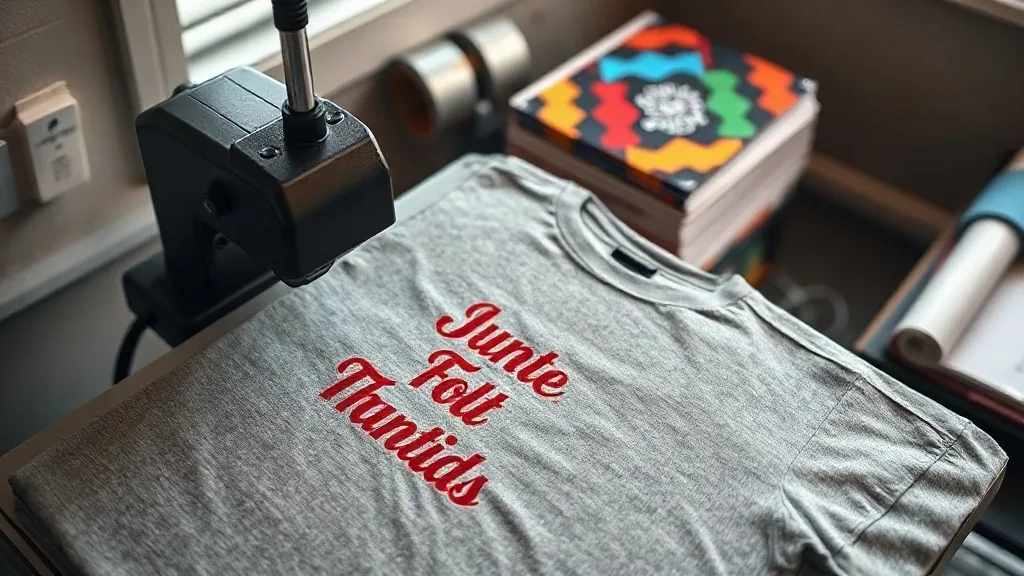
Walk into any apparel shop and you'll notice the racks are rarely filled with 100% cotton anymore. Tri-blends, poly-cotton mixes, and performance fabrics dominate the shelves because they drape better, resist wrinkles, and feel softer against the skin. But if you're used to pressing dtf transfers onto plain cotton tees, these blended garments can throw you a curveball. The same settings that give you a perfect peel on a 100% cotton shirt might leave you with a wrinkled mess or a print that washes away after a few cycles. The good news is that dtf is more versatile than many printers realize, provided you understand how different fibers behave under heat and pressure.
Why Blended Fabrics Behave Differently
Blended fabrics are exactly what they sound like: two or more fiber types spun together into a single yarn. A 50/50 poly-cotton tee, for example, combines the breathability and dye uptake of cotton with the durability and shape retention of polyester. A tri-blend typically mixes cotton, polyester, and rayon for an ultra-soft hand feel. Each fiber responds to heat in its own way, and that's where DTF printing gets interesting.
Cotton fibers are relatively stable under heat. They can take higher temperatures without deforming, and they hold onto the adhesive powder well. Polyester, on the other hand, is thermoplastic. It softens and can even shrink or glaze when exposed to temperatures above its comfort zone. Rayon is delicate and prone to scorching. When you press a DTF transfer onto a blend, you're essentially asking the adhesive to bond with a surface that has mixed personalities. The key is to find a temperature and pressure that satisfies the most heat-sensitive fiber in the mix without compromising the bond on the others.
Understanding Fiber Content and Heat Sensitivity
Before you press a single transfer, check the garment's care label. The fiber percentages tell you a lot about how to approach the job. Here's a quick reference for common blends:
- 50/50 poly-cotton: Moderately heat-sensitive. Polyester content means you should keep temperatures around 300-320°F (150-160°C) and use medium pressure. Too much heat can cause the polyester to glaze or the print to look glossy.
- Tri-blend (cotton/poly/rayon): Very heat-sensitive. Rayon scorches easily, so stay on the lower end of the temperature range, around 290-310°F (145-155°C). Use light pressure and pre-press the garment to remove moisture without flattening the fabric too much.
- Polyester-rich blends (e.g., 65/35 poly-cotton): Can handle slightly higher heat than tri-blends but are still prone to dye migration. Use a lower temperature and consider a dye-blocking underlay if the garment is dark or brightly colored.
- Performance blends (poly/spandex): These stretch and recover, so the transfer needs to move with the fabric. Use a stretchable DTF film and press at lower temperatures to avoid damaging the spandex fibers.
Keep in mind that these are starting points. Every garment manufacturer uses different dye lots and finishing treatments, so always do a test press on a scrap piece or an inside hem before committing to a full production run.
Pre-Pressing: The Step You Can't Skip
Moisture is the enemy of any heat transfer, and blended fabrics often hold more moisture than you'd expect, especially if they've been stored in a humid environment. Pre-pressing the garment for 5-10 seconds at your target temperature helps evaporate that moisture and smooth out wrinkles. It also gives you a chance to see how the fabric reacts to heat. If you notice the fabric starting to glaze or shrink, back off the temperature immediately.
For blends with a high polyester content, a second pre-press with a Teflon sheet or protective paper can help prevent the fabric from sticking to the platen and reduce the risk of scorching. Just be careful not to apply too much pressure during pre-pressing, as this can flatten the fabric's texture and make it harder for the adhesive to penetrate the fibers.
Pressing Settings for Blended Fabrics
When it comes to pressing DTF transfers onto blends, the general rule is lower heat, moderate pressure, and slightly longer dwell time. Here's a baseline you can adjust from:
- Temperature: 290-320°F (145-160°C), depending on fiber sensitivity.
- Pressure: Medium (around 40-60 PSI on a pneumatic press, or firm hand pressure on a clamshell).
- Time: 12-15 seconds for the initial press, then 5-8 seconds for the second press after peeling the film.
The two-step press is especially important for blends. The first press bonds the adhesive to the fabric, and the second press (after the film is peeled) ensures the print fully settles into the fabric's texture. Peeling while the transfer is still warm is usually the safest approach for blends, as it reduces the risk of the adhesive pulling away from the fibers.
If you're working with a very heat-sensitive blend, consider using a lower temperature and extending the press time to 18-20 seconds. This gives the adhesive more time to flow without exposing the fabric to excessive heat. Just keep an eye on the print to make sure it doesn't over-cure and become brittle.
Dye Migration: The Hidden Challenge
Dye migration is a common issue when printing on polyester-rich blends, especially dark colors. The dyes in the fabric can sublimate (turn into gas) when exposed to heat and migrate into the DTF adhesive, causing the print to take on a pinkish or discolored hue. This is particularly noticeable on white or light-colored prints.
To minimize dye migration, use a low-bleed DTF film and keep your press temperature as low as possible while still achieving a good bond. Some printers use a poly-blocker underlay or a specially formulated adhesive powder designed for polyester. If you're doing a lot of work on dark blends, it's worth investing in these materials. Also, avoid over-pressing the transfer; the longer the heat exposure, the more opportunity for dyes to migrate.
Wash Durability on Blends
One of the biggest concerns with DTF on blends is how well the print holds up after washing. Blended fabrics can be more abrasive than 100% cotton, and the constant flexing of the fabric during wear and washing can put stress on the adhesive bond. To improve durability, make sure your press settings are dialed in correctly. Under-cured transfers will peel, while over-cured transfers can crack.
A proper cure is essential. After pressing, the transfer should be fully adhered with no lifting at the edges. If you can catch a fingernail under the edge, it's not bonded properly. For blends, I recommend washing the garment inside out in cold water and tumble drying on low. Avoid fabric softeners and dryer sheets, as they can leave a residue that weakens the adhesive over time. If you're selling to customers, include a care card with these instructions; it goes a long way toward reducing complaints.
Choosing the Right DTF Materials for Blends
Not all DTF films and powders are created equal. For blended fabrics, look for films that are designed for low-temperature application and have a good release characteristic. A film that releases too quickly can cause the adhesive to stick to the film instead of the fabric, leading to a failed transfer. Similarly, the adhesive powder should have a low melting point to match your lower press temperatures.
If you're sourcing dtf transfers near me, ask the supplier about their recommended settings for blends. Many suppliers offer technical data sheets that specify the optimal temperature range for their products. It's also a good idea to test a few different films and powders to see which ones perform best on the specific blends you work with most often.
Practical Tips for Consistent Results
After pressing thousands of transfers onto blends, I've picked up a few habits that make a real difference. First, always keep a scrap piece of each fabric blend you stock and use it for test presses whenever you open a new roll of film or a new batch of powder. Second, invest in an infrared thermometer to verify your press platen temperature; the dial on your press can be off by 10-20 degrees, which is enough to cause problems on sensitive blends. Third, use a Teflon sheet or protective paper over the transfer during the second press to prevent the print from sticking to the upper platen and to distribute heat evenly.
Finally, don't be afraid to experiment. Blended fabrics are diverse, and what works for one 50/50 tee might not work for another. Keep a log of your settings for each fabric type and refer back to it when you're in production. Over time, you'll build a reliable playbook that lets you tackle any blend with confidence.
Frequently Asked Questions
Can I use DTF transfers on 100% polyester fabric?
Yes, but you need to be extra careful with temperature. Polyester is highly heat-sensitive, so use a lower press temperature (around 280-300°F) and a short dwell time. Pre-press the garment to remove moisture, and consider using a dye-blocking underlay if the fabric is dark. Always test on a scrap first.
How do I prevent the transfer from peeling off a blended shirt after washing?
Ensure the transfer is fully cured by pressing at the correct temperature and pressure for the fabric blend. Peel the film while warm, then do a second press to settle the print. Wash the garment inside out in cold water and avoid fabric softeners. If peeling persists, try increasing the press time slightly or using a higher-quality adhesive powder.
What is the best temperature for pressing DTF onto tri-blend shirts?
Tri-blends contain rayon, which scorches easily, so keep the temperature at the lower end, around 290-310°F (145-155°C). Use light to medium pressure and pre-press to remove wrinkles. Always test on an inconspicuous area first.
Why does my DTF print look glossy on poly-cotton blends?
Glossiness often occurs when the polyester in the blend glazes under too much heat. Lower the press temperature and reduce the dwell time. Also, make sure you're using a film designed for low-temperature application, as some films require higher heat that can cause glazing.
Can I stretch a DTF transfer on performance wear?
DTF transfers can stretch to some degree, but for high-stretch performance fabrics, use a stretchable DTF film and ensure the print is fully cured. Avoid over-stretching the garment during pressing, and consider using a transfer designed specifically for stretch fabrics.