
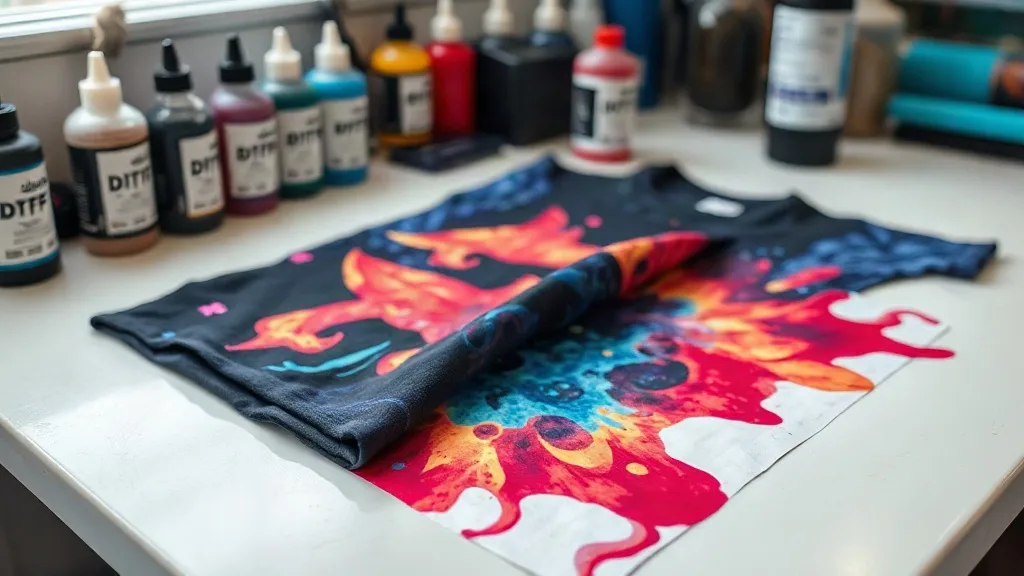
When you start pricing custom apparel, the question that keeps coming up is simple: how much do dtf transfers actually cost per shirt? The answer isn't a single number you can pull from a supplier's price list. It's a mix of film, ink, powder, labor, waste, and the way you buy. In this guide, I'll walk you through the real cost structure, point out the hidden expenses that quietly eat into your margins, and share practical ways to keep more money in your pocket without sacrificing quality. Whether you're a small shop owner or a hobbyist scaling up, understanding these numbers is the difference between pricing for profit and pricing for heartbreak.
The Building Blocks of DTF Transfer Cost
Every DTF transfer starts with a few core materials: PET film, DTF ink, and adhesive powder. Each contributes to the final cost, and the amounts vary depending on the size and complexity of the design. A typical A4 sheet uses about 1.5 to 2 ml of ink and 10 to 15 grams of powder. Film costs roughly $0.10 to $0.20 per sheet, ink around $0.50 to $0.80 per sheet, and powder about $0.20 to $0.30 per sheet. That puts material cost for an A4 transfer at approximately $0.80 to $1.30. But that's just the beginning.
Ink and Powder: The Dynamic Duo
Ink and powder are the two components that most directly affect cost. Ink consumption goes up with heavy color coverage and high saturation. If you're printing full-color photos or gradients, expect to use more ink. Powder usage depends on the amount of adhesive needed to bond the transfer to the fabric. Too little powder and the transfer peels; too much and you waste money and create a stiff hand feel. Finding the sweet spot is key to controlling costs.
Film: The Unsung Hero
PET film might seem cheap, but it adds up quickly. Buying in bulk (rolls instead of sheets) can reduce film cost by 30% or more. Also, consider the film's thickness and release properties. A slightly more expensive film that releases cleanly can save you money by reducing waste and reprints.
Labor and Equipment: The Costs You Don't See on the Invoice
Material costs are only part of the story. Labor and equipment are significant factors, especially for small businesses. A typical DTF printer costs between $3,000 and $15,000, and a heat press adds another $500 to $2,000. Then there's the cost of electricity, maintenance, and space. If you're printing transfers yourself, you need to account for your time. A single A4 transfer takes about 2-3 minutes to print and powder, plus curing time. That's before you even press it onto a shirt.
Time is Money
Let's say you value your time at $20 per hour. If it takes 5 minutes to produce one transfer (including setup and cleanup), that's $1.67 in labor per transfer. Add that to your material cost, and you're already at $2.50 to $3.00 per A4 transfer. For a shirt with a large front print, you might need an A3 transfer, which roughly doubles the material and labor cost.
Waste and Rework
Nobody likes to talk about waste, but it's a real cost. Misprints, misfires, and customer rejects can add 5-10% to your production volume. If you're not tracking waste, you're likely underestimating your true cost per shirt. A simple log of materials used versus shirts sold can reveal surprising inefficiencies.
How to Calculate Your True Cost per Shirt
To get an accurate cost per shirt, follow these steps:
- Calculate material cost per transfer. Add film, ink, and powder costs for the size you use most.
- Add labor cost. Estimate the time to produce one transfer and multiply by your hourly rate.
- Include equipment depreciation. Divide the total equipment cost by the number of transfers you expect to produce over its lifetime.
- Account for waste. Add 5-10% to your material and labor costs to cover reprints.
- Factor in packaging and shipping. If you ship shirts, include these costs.
For example, if your material cost is $1.20, labor is $1.67, equipment depreciation is $0.20, and waste is 10%, your total cost per A4 transfer is about $3.37. For a shirt with a front and back print, double that to $6.74. This is your break-even point before adding profit margin.
Hidden Costs That Catch You Off Guard
Beyond the obvious, there are several hidden costs that can sneak up on you:
- Shipping and customs: If you order supplies internationally, duties and shipping can add 10-20% to your material costs.
- Storage: Film and powder need to be stored in a dry, temperature-controlled environment. If you don't have space, you might need to rent storage.
- Training: Learning to use DTF equipment efficiently takes time and possibly paid training.
- Customer service: Handling complaints and returns costs money and time.
- Software: RIP software and design tools have licensing fees.
These hidden costs can easily add 20-30% to your total expenses if you're not careful. The key is to track everything and review your costs regularly.
Strategies to Reduce Your DTF Transfer Costs
Now that you know where the money goes, here's how to keep more of it:
- Buy in bulk: Film, ink, and powder are cheaper per unit when purchased in larger quantities. But don't overbuy perishable items like ink.
- Optimize your printing: Nest multiple designs on one sheet to maximize film usage. Use software that calculates the most efficient layout.
- Reduce waste: Calibrate your printer regularly, use quality powder, and train yourself to handle transfers carefully.
- Consider outsourcing: If you're just starting out or have low volume, ordering pre-printed transfers from a supplier can be more cost-effective than buying equipment. Many suppliers offer competitive rates, especially for bulk orders. To find a reliable supplier, you might search for dtf transfers near me and compare prices.
- Energy efficiency: Use energy-efficient equipment and turn off machines when not in use.
Remember, the cheapest option isn't always the most cost-effective. A slightly higher upfront cost for quality supplies can save you money on waste and reprints.
DIY vs. Outsourcing: Which Saves You More?
The decision to print in-house or outsource depends on your volume, budget, and available time. For high volumes (50+ shirts per week), in-house printing can be very cost-effective, with costs as low as $2-3 per transfer. For low volumes, outsourcing is often cheaper because you avoid equipment costs and labor. Many small shops start by outsourcing and gradually move to in-house as they grow. If you're looking for a reliable source for dtf supplies or pre-printed transfers, do your research and compare reviews.
Frequently Asked Questions
How much does a DTF transfer cost per shirt on average?
For an A4 transfer, material and labor typically range from $2.50 to $4.00. For larger A3 transfers, expect $5.00 to $7.00. These figures vary based on design complexity, ink coverage, and your production efficiency.
Is it cheaper to print DTF transfers yourself or order them?
For volumes under 20 transfers per week, outsourcing is usually cheaper when you factor in equipment, labor, and waste. For higher volumes, in-house printing becomes more economical, often dropping below $2.50 per transfer.
What hidden costs should I watch out for with DTF printing?
Common hidden costs include shipping and customs fees, storage for materials, software subscriptions, and waste from misprints. Tracking these can help you avoid surprises.
Can I reduce DTF transfer costs without sacrificing quality?
Yes. Buy supplies in bulk, optimize your print layouts, reduce waste through careful handling, and consider outsourcing if your volume is low. Also, regularly review your processes to identify inefficiencies.