
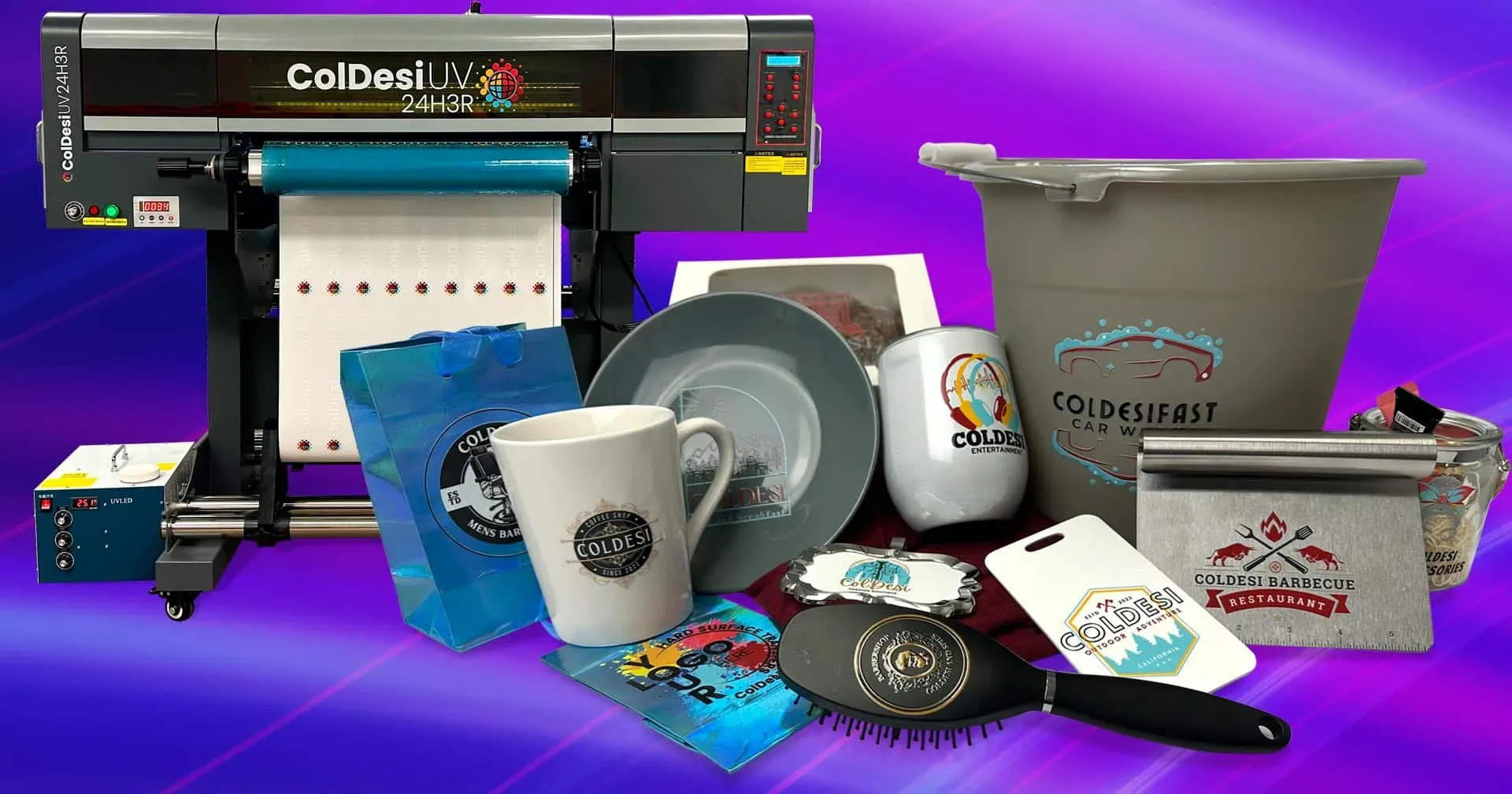
UV DTF printing, or Direct to Film printing, is revolutionizing the world of custom printing applications by merging advanced UV curing technology with the trusted Direct to Film technique. This innovative process enables printers to create striking, durable designs on a myriad of surfaces including textiles, plastics, and metals. With its rapid ink curing capabilities, UV DTF printing dramatically enhances productivity while producing high-quality prints that retain their vibrancy over time. Not only does this method serve various industries, but it also opens up vast potential for diverse printing techniques, making it a preferred choice for businesses seeking to stand out. As the popularity of UV DTF printing grows, it is increasingly recognized for its effectiveness in textile printing and beyond, transforming how customized products are made.
The cutting-edge process known as UV DTF printing, often referred to as Direct to Film printing, utilizes the remarkable capabilities of ultraviolet (UV) light to cure inks instantly, setting a new standard in printing technology. This advanced method, characterized by its quick application and exceptional output quality, has positioned itself as a versatile option in the realm of custom printing applications. With the ability to work on various substrates—from fabrics to hard surfaces—UV DTF creates colorful designs that are not only visually captivating but also remarkably durable. As businesses increasingly seek efficient and high-quality printing techniques, this approach continues to rise in popularity, particularly within the textile printing sector. By harnessing the power of UV curing technology, users can achieve stunning results that resonate with modern consumer demands.
Understanding the Basics of UV DTF Printing
UV DTF printing, which stands for Direct to Film printing, represents a significant innovation in the world of printing technologies. This method capitalizes on both traditional DTF strategies and the advancements provided by UV curing technology. At its core, UV DTF printing involves the printing of UV curable inks onto a specially coated transfer film. The process is unique in that the inks are cured instantly under ultraviolet light, making it distinct from conventional DTF printing, which typically relies on heat to set the inks. This difference in curing technology not only enhances productivity but also permits a wider range of applications across various substrates, including textiles, wood, and glass. Additionally, understanding the mechanics behind UV DTF printing is crucial for anyone looking to utilize this method creatively. The process begins with preparing the transfer film to ensure it can hold the UV inks securely. Equipped with advanced LED UV lights, printers can apply ink and cure it instantly, bypassing the extended drying times associated with traditional printing techniques. This capability is particularly beneficial for businesses that require high-efficiency outputs without compromising on quality.
One of the standout features of UV DTF printing is its ability to produce prints that are not only vibrant but also incredibly durable. As the inks are cured immediately, they bond well to the film and later to the substrate upon transfer, resulting in prints that resist fading and scratching. This quality is essential for industries that demand long-lasting impressions, such as fashion, signage, and promotional products. Moreover, the versatility of substrates ensures that businesses can diversify their product offerings, catering to various consumer needs while maintaining high standards in print quality. Overall, a thorough understanding of UV DTF printing lays the groundwork for successfully leveraging this innovative technique.
Key Benefits of UV DTF Printing
The advantages of UV DTF printing over traditional methods cannot be overstated. One of the most significant benefits is its high versatility, allowing print professionals to work with an extensive range of materials. Whether it's textiles for fashion, hard surfaces like metals and plastics, or delicate items like glass, UV DTF printing enables customization that traditional printing methods may struggle to offer. This adaptability caters to diverse market demands, elevating a business's ability to create unique products that resonate with their target audience. In addition, UV DTF printing boasts enhanced durability, which is critical in today’s marketplace where longevity of products can define brand reputations. The immediate curing process of the inks results in remarkable adhesion to the substrate, minimizing the risks associated with wear and tear. Items printed using UV DTF technology maintain their integrity even in challenging conditions, ensuring that businesses can trust their product quality and durability.
Another key consideration for businesses is the cost-effectiveness of UV DTF printing. The rapid curing process reduces production time significantly, allowing companies to churn out high volumes of prints without the usual delays. This efficiency translates into cost savings, as less labor and time is required to complete print jobs. Additionally, fewer resources are wasted, aligning with modern business practices focused on sustainability. By investing in UV DTF printing, businesses not only enhance their operational efficiency but also position themselves favorably within competitive markets.
Exploring the Curing Process in UV DTF Printing
At the heart of UV DTF printing is its innovative curing process, which distinguishes it from various other printing techniques. Unlike traditional Direct to Film printing that relies on heat to cure inks, the UV DTF process uses ultraviolet light to set the inks immediately after they are applied to the film. This rapid curing significantly accelerates production times and reduces the risk of damaging sensitive materials—an essential factor when dealing with delicate substrates that withstand high temperatures. The efficiency of the UV curing process also allows for greater creativity and flexibility in design. Print providers can experiment with intricate designs, knowing that the curing will set them almost instantly, ensuring that detailed work is preserved without loss of clarity or color vibrancy. This innovation has not only allowed for a quicker turnaround on projects but has revolutionized the speed at which promotional items can be produced, making UV DTF a preferred choice in many fast-paced industries.
Moreover, the curing process is pivotal in achieving high-quality finishes. Because the inks bond strongly to the substrate upon curing, prints exhibit exceptional colorfastness, meaning they maintain their vibrancy over time even when exposed to UV light or outdoor elements. This durability is particularly important for products intended for end users in demanding environments, ensuring that businesses provide reliable and consistent offerings. In short, the curing process in UV DTF printing is integral not just to the speed of production but also to the overall quality and longevity of the final product.
Applications of UV DTF Printing in Various Industries
The applications for UV DTF printing are indeed vast, making it a go-to option for various industries. In the realm of textiles and fashion, UV DTF printing has opened up new avenues for personalization and creativity. Businesses can produce unique apparel, custom promotional items, and even bespoke fashion pieces, all characterized by vibrant colors and intricate details. The technology enables designers to realize their visions without the limitations that traditional printing methods impose, pushing the boundaries of what is possible in garment printing. Beyond fashion, the promotional products sector benefits greatly from the capabilities of UV DTF printing. Items such as custom phone cases, branded merchandise, and event giveaways can be quickly produced with eye-catching designs that grab consumer attention. This versatility not only helps in fulfilling diverse client needs but also encourages businesses to experiment with innovative designs that may have been previously impractical. The flexibility to print on multiple substrates ensures that the promotional products remain relevant and appealing to a broad audience.
In addition to textiles and promotional goods, UV DTF printing has made significant inroads into interior decor. Customizable home products like wall art, throw pillows, and curtains can easily be realized in stunning detail. This advantage allows home decor businesses to offer unique products that resonate with consumer desires for personalization in their living spaces. Furthermore, industrial applications for UV DTF printing are equally compelling; businesses can utilize this technology for durable labels, stickers, and signage that require high durability and color consistency. As industries continue to explore the possibilities, UV DTF printing proves to be a transformative technology capable of meeting various printing needs.
Recent Innovations in UV DTF Printing Technology
The UV DTF printing industry is rapidly evolving, with recent innovations focused on improving efficiency and sustainability in printing practices. One notable trend is the development of eco-friendly UV inks, which aim to reduce the environmental impact associated with traditional printing processes. As more companies prioritize sustainability, the push for inks that are less harmful yet provide the same high-quality results is growing. This emphasis on environmentally friendly practices ensures that businesses can meet consumer demand for greener products while maintaining the aesthetic appeal of their printed items. Alongside the development of eco-friendly inks, technological advancements in UV DTF printing machines have contributed to increased efficiency across the board. New machinery comes equipped with enhanced UV curing capabilities, allowing for faster print speeds while accommodating larger orders with ease. This innovation not only boosts the production capacity of print shops but also enhances the overall quality of prints, maintaining consistency across all products. The integration of these innovations indicates a promising future for UV DTF printing as it continues to adapt to market demands.
As these advancements unfold, businesses leveraging UV DTF technology stand to benefit significantly in terms of operational efficiency and product quality. With the increased focus on sustainability and innovation, companies can position themselves as leaders in their respective markets. Continued investment in the latest technologies and eco-conscious practices will not only help businesses thrive but also contribute positively to the printing industry's reputation, paving the way for future successes in both commercial and custom printing applications.
Frequently Asked Questions
What are the benefits of UV DTF printing compared to traditional Direct to Film printing?
UV DTF printing offers several advantages over traditional Direct to Film printing, including instant curing using UV light, which enhances productivity and reduces the risk of damage to sensitive substrates. Additionally, UV DTF provides exceptional print quality, with vibrant colors and fine details that are less prone to fading and scratching, ensuring long-lasting durability.
How does UV curing technology enhance the UV DTF printing process?
UV curing technology is integral to the UV DTF printing process, as it allows inks to cure instantly upon exposure to ultraviolet light. This rapid curing enhances production efficiency, eliminates the need for heat-setting, and improves the adhesion of inks on various substrates, leading to higher print quality and durability.
What types of materials can be used for custom printing applications with UV DTF printing?
UV DTF printing is versatile and can be applied to a wide range of materials, including textiles, metals, plastics, wood, and glass. This adaptability makes it an excellent choice for various custom printing applications, from apparel to promotional items and intricate home decor.
Can UV DTF printing be used effectively for textile printing?
Yes, UV DTF printing is highly effective for textile printing. It allows for vibrant, detailed designs on fabrics while ensuring high durability and colorfastness. This method is perfect for creating custom apparel or unique fashion items that require attention to detail and long-lasting results.
What are some recent developments in UV DTF printing technology?
Recent developments in UV DTF printing technology include the introduction of eco-friendly inks that prioritize sustainability and reduce environmental impact. Additionally, advancements in printing machines have improved UV curing capabilities, enhancing print speed and efficiency, making it easier to handle larger orders with consistent quality.
How does UV DTF printing contribute to cost savings for businesses?
UV DTF printing contributes to cost savings for businesses by significantly reducing production times and waste due to its efficient curing process. The durability of prints also minimizes the need for reprints, while the capability to print on various substrates allows businesses to cater to a broader clientele, ultimately optimizing resource use and increasing profitability.
| Key Points | Description |
|---|---|
| Introduction to UV DTF Printing | A revolutionary technique combining traditional DTF and UV technologies, allowing vibrant prints on diverse substrates. |
| Process Overview | Uses specially coated film and UV curable inks with immediate curing under UV light. |
| Key Techniques | Includes film preparation, UV curing, substrate versatility, and high print quality. |
| Applications | Used in textiles, promotional products, interior decor, and industrial applications. |
| Recent Developments | Focus on eco-friendly inks and advanced UV curing technologies. |
| Advantages | High versatility, enhanced durability, and cost-effectiveness for businesses. |
Summary
UV DTF printing has emerged as a leading innovation in the printing industry, combining high quality with remarkable efficiency. This technique leverages ultraviolet light for rapid ink curing, allowing businesses to create customizable, durable products across a wide range of materials. With its growing applications, from fashion to industrial uses, UV DTF printing is not only meeting but exceeding modern demands, paving the way for a sustainable and versatile printing future.